History of the goalkeeper glove. From bare hands to Ultra G Tech
A hundred years ago the goalkeeper played with bare hands. Today they carry chemistry, engineering and design on the palm. This is the story.
The goalkeeper glove is probably the sports accessory that has evolved the most in football. From an optional and almost ridiculed complement to an essential piece of the position. This is the story of how we arrived at the modern glove and of the men and brands that wrote it.
1885. The first patent
British William Sykes, manufacturer of football balls, registered at the Berlin Patent Office gloves of leather with rubber designed to protect goalkeepers' hands. It was 1885, barely two decades after the foundation of the Football Association.
Sykes never produced the product at scale. The idea remained in patent. But the concept was there: the goalkeeper could and should protect their hands.
1940 to 1950. Amadeo Carrizo
Argentine Amadeo Tarzan Carrizo, who played at River Plate from the mid-40s, was the first goalkeeper to use gloves the way we understand them today. Carrizo was also a position revolutionary. He came out of the box with authority, played with feet, communicated constantly with his defense.
Until then the glove was considered by many as a sign of weakness. Carrizo normalized it.
1952. First time recorded in Europe
Officially, the first documented occasion of glove use in an official European match was in 1952, in a Scottish Cup match between Airdrie United and Celtic. The practice remained still rare and debated.
1958. Lev Yashin popularizes the glove in World Cups
Lev Yashin, known as The Black Spider, Soviet goalkeeper of Dynamo Moscow and considered by many the best goalkeeper in history, popularized the use of gloves by being the first to wear them in a World Cup, in Sweden 1958.
Yashin not only used gloves, he redefined the position. He was the first sweeper keeper, came out of the box, organized the defense, set the pattern. His influence reaches modern goalkeepers like Manuel Neuer and Ederson.
70s. Sepp Maier and the first pioneer brand
A German brand partnered with German goalkeeper Sepp Maier to make gloves more like the ones we know today. For the first time latex was introduced on the palm to improve grip.
This marked the start of the modern goalkeeper glove industry. Latex replaced leather as the main palm material. The grip difference was overwhelming.
80s. Latex boom and specialization
In the 80s, several European brands discovered latex and began specializing in goalkeeper gloves. The industry went from being a side branch of football gear to its own market with its own rules, its own iconic models and its own sponsored goalkeepers.
It is the era when differentiated cuts appeared. Flat was the original cut. Alternatives that improved grip and fit started being tested.
90s. The fingersave era
A German brand popularized spines (fingersave) in the 90s as a response to the frequency of finger injuries in goalkeepers. The protection reformulated how goalkeepers faced powerful shots.
There has been debate from day one (does it add stiffness?, does it remove sensitivity?), debate that is alive in 2026. But spines stayed as an option and as a category.
2000 to 2010. Cut diversification
The Negative cut appeared as an alternative to the traditional Flat. Pros began massively migrating to Negative for its greater sensitivity. The Rollfinger remained for goalkeepers who valued surface and protection. The N-Roll started gaining ground especially in Latin America.
2010 to 2020. Extreme specialization
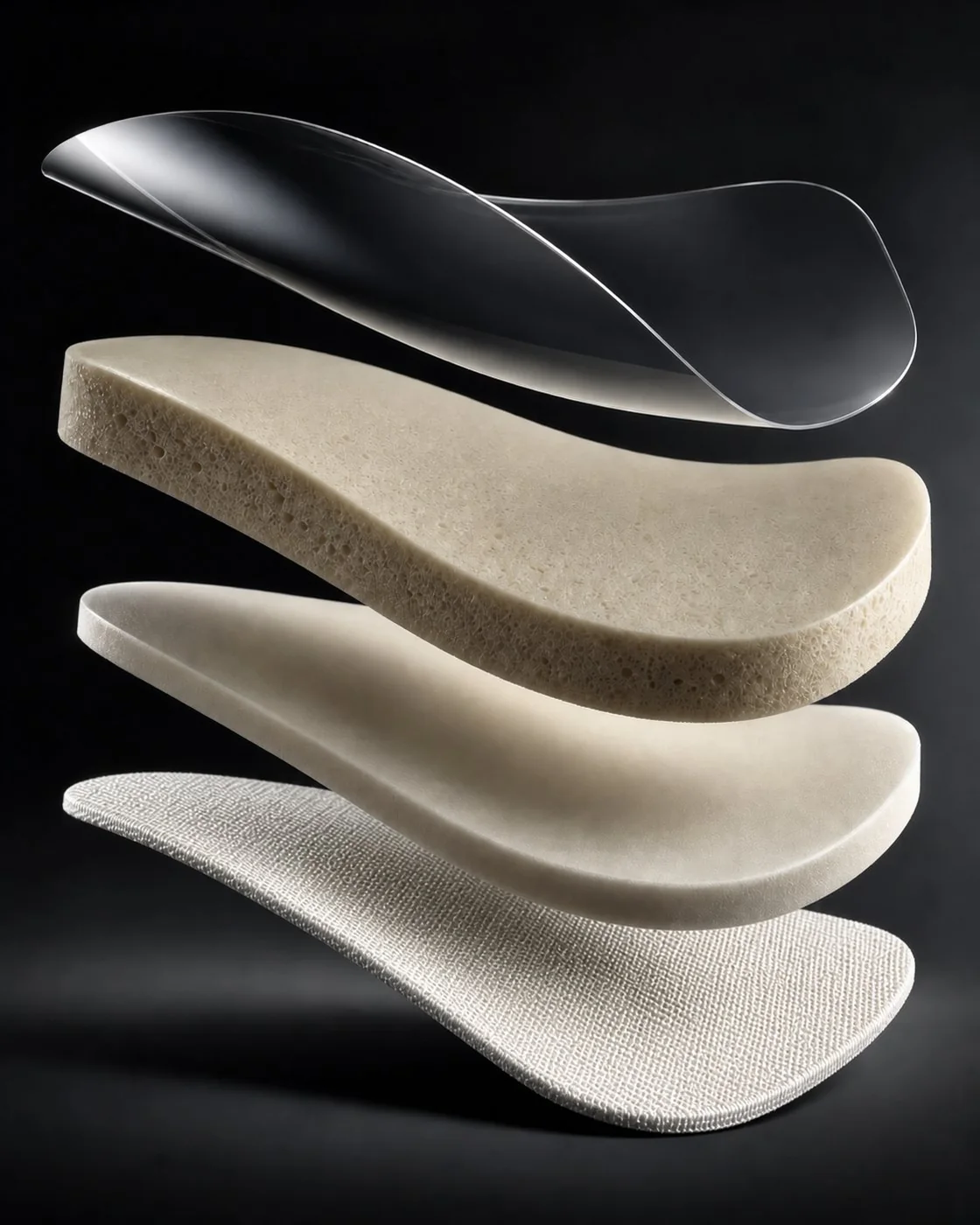
Latex compounds diversified. Specific formulations appeared for moisture, for abrasive surfaces, for maximum grip with durability tradeoff. Brands dedicated to goalkeeping (not generalist brands) started investing in research and development.
It is in this decade when Elite Sport, founded years earlier, consolidates its international presence. Technical arguments take prominence. Amateur goalkeepers start knowing what Ultra G Tech, ESTEC AQUA or Centum+ are.
2020 to 2026. The modern era
New materials like knit-cr appear in high-tier constructions. Proprietary cuts multiply. Brands like Elite Sport bet on real innovation (Flash X cut exclusive to Revolution X, Speed cut exclusive to Neo and Nobre Lines).
The 2026 amateur goalkeeper has access to technology the 80s pro could not have dreamed. And that democratization of quality is probably the biggest change of the last twenty years.
The next chapter of Elite Sport
When the history of the goalkeeper glove is written in the coming years, Elite Sport wants to be among the names that shaped it.
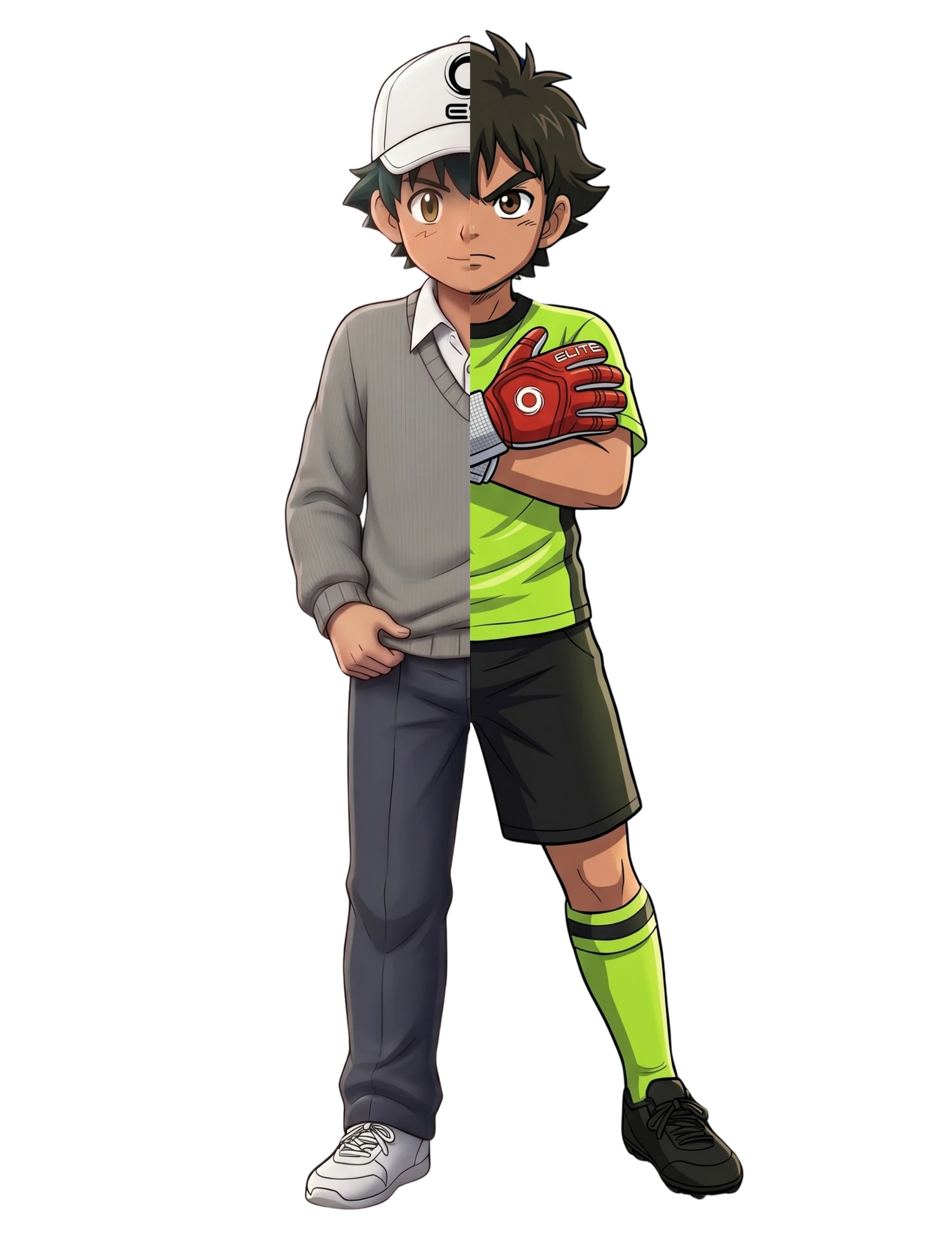
For its bet on durability without sacrificing grip with the Ultra G Tech palm. For its proprietary cuts that break the industry standard. For its commitment to making professional performance accessible to amateur goalkeepers. For the creation of KIBA as a character that connects emotionally with young goalkeepers.
Every Elite Sport glove is a new chapter of that story. And every goalkeeper who wears it, also.
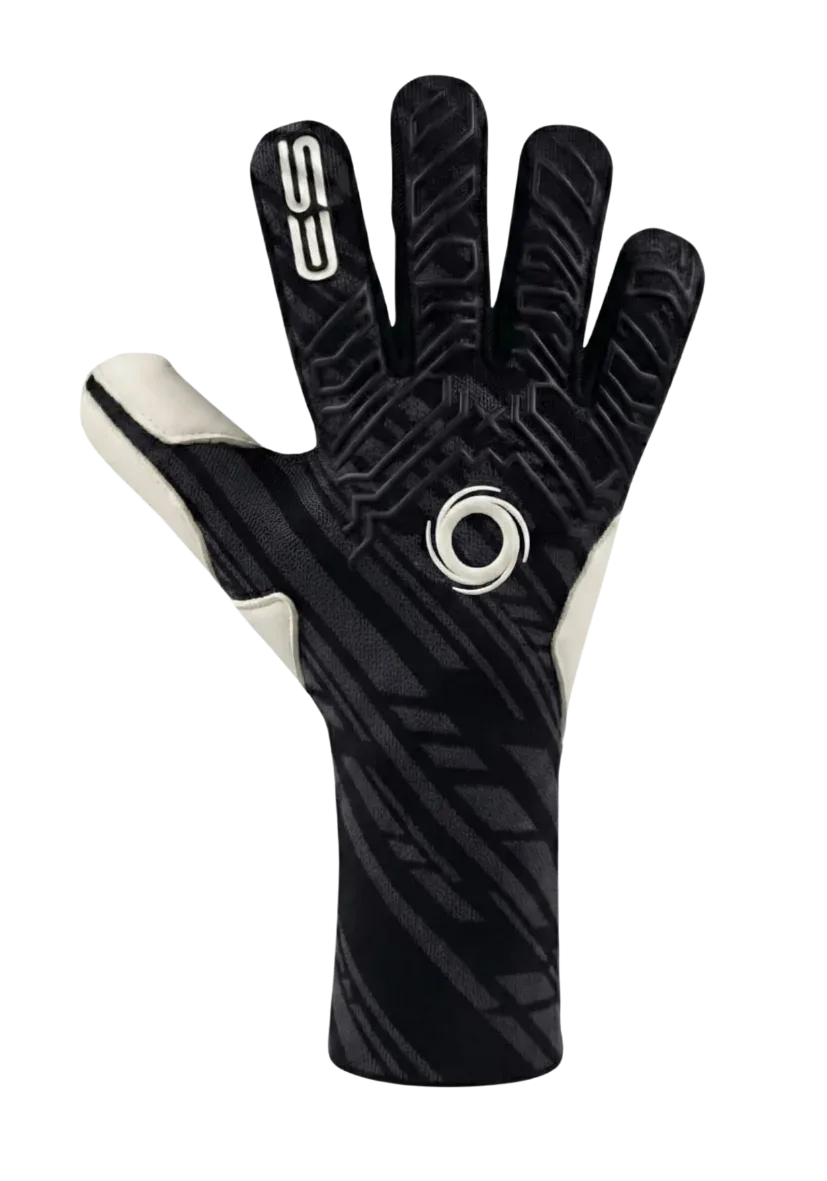
REDEFINE YOUR GAME. Be part of the next chapter of the story. Prime Pro with Ultra G Tech palm. Revolution X with proprietary Flash X cut.
- Best goalkeepers in the world 2026
- KIBA. The story of the goalkeeper inside us
Find the glove that fits your level, surface, and style.