Goalkeeper glove latex types. 2026 guide
Latex is the heart of the glove. It decides how much it grips, how much it cushions, how long it lasts. Knowing what you carry on the palm changes how you choose.
When you compare two gloves that look the same and one costs twice the other, the difference is almost always in the latex. It is the most expensive component of a glove and also the one with the biggest impact on your performance. This guide explains the latex types on the market and shows you which formulas each Elite Sport family uses.
Natural vs synthetic
Every goalkeeper glove palm starts from one of two base materials: natural latex or synthetic latex.
Natural. Extracted from the rubber tree. Softer, tackier, better grip in dry and especially good in wet conditions. Lower durability ceiling: the softer it is, the faster it wears.
Synthetic. Chemical compound that imitates natural latex. More durable, slightly less grip but very consistent, better behavior on abrasive surfaces like artificial turf.
Pro-level gloves usually carry natural latex on the palm. Mid-range gloves combine natural and synthetic. Entry-level gloves prioritize synthetic for durability. Elite Sport balances this logic across its five families.
Palm thickness. Why it matters
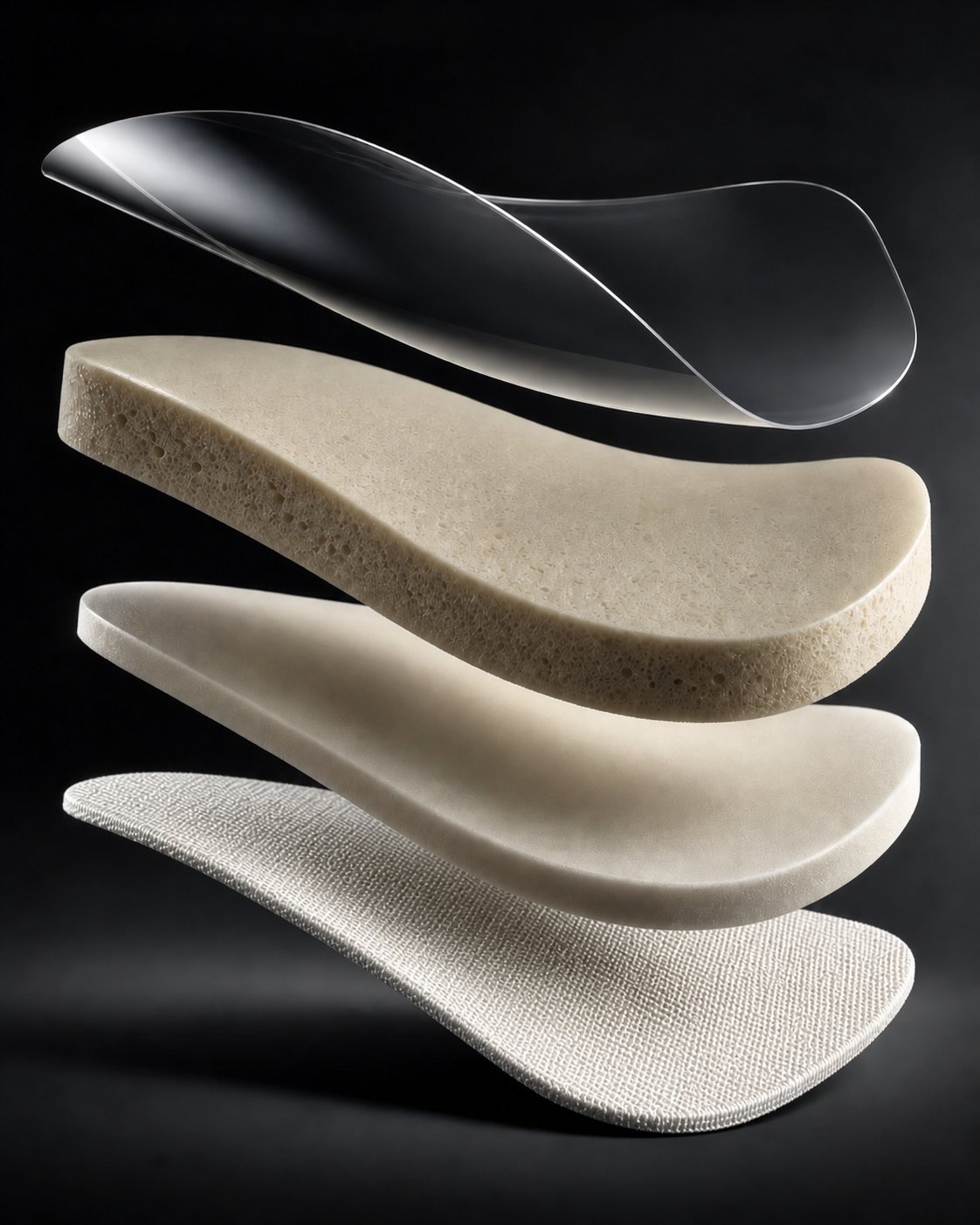
Latex thickness affects both grip and cushioning. More millimeters usually mean better grip and better impact absorption, but also more weight and stiffness if the formula is not right.
Elite Sport gloves in the Prime Pro and Control Pro tiers use 4 mm of latex on the palm. Force Pro keeps 4 mm. Flex Pro and Kids Pro drop to 3.5 and 3 mm respectively, sacrificing some cushioning in exchange for lightness and price.
Below 3 mm you lose useful cushioning. Above 4 mm the glove starts to feel stiff without adding grip. The professional standard is 4 mm and that is why Elite Sport keeps it across the entire competitive range.
Ultra G Tech. The flagship Elite Sport palm
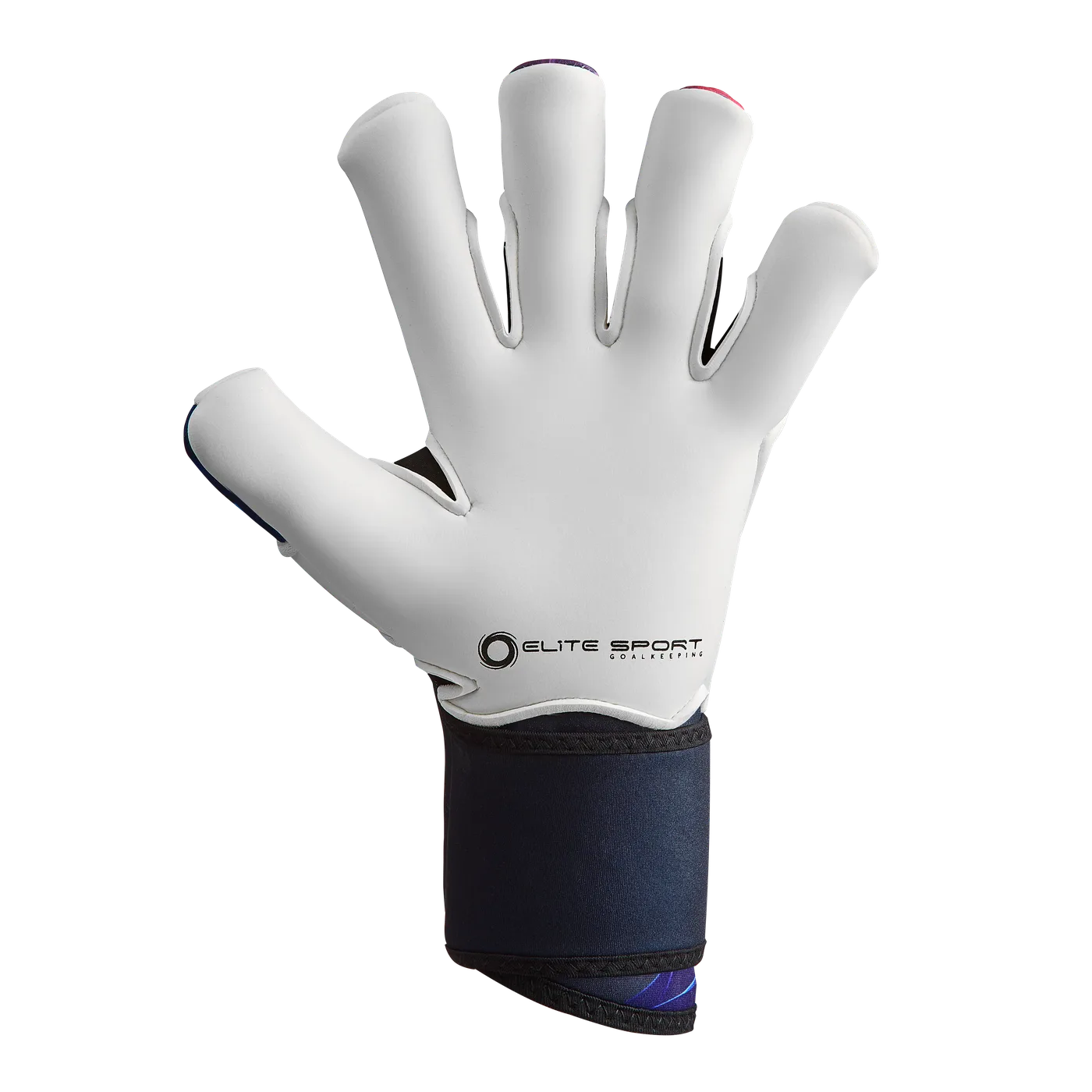
Ultra G Tech is the latex developed by Elite Sport for the Prime Pro family. It combines pro-level grip with durability significantly above the market standard, in 4 mm thickness.
The argument is direct: in similar conditions, other premium palms start to lose grip after a few weeks of intensive use. Ultra G Tech keeps performance longer. It is not magic, it is chemistry and testing.
Elite Sport models with Ultra G Tech. T1, Revolution X, Supreme and all its variants (N, M H, M NR, M Aqua), B1, Lion, Real, Black Real. It is the common palm across the entire pro line.
ESTEC AQUA. The palm for wet conditions
If you play in climates that get wet often, regular latex can betray you. ESTEC AQUA is the Elite Sport formulation optimized for moisture and rain. It is still premium natural latex, but with a composition that preserves grip when the ball is wet.
Models. Revolution X Aqua and Supreme M Aqua. If you live in tropical, coastal areas, or play tournaments in unpredictable weather, this is the upgrade worth making.
Centum+. Pro performance, competitive price
Centum+ is the palm of the Control Pro family. The philosophy is clear: high-tier performance at a more accessible price.
In practice that means 4 mm palm, grip close to Ultra G Tech in dry conditions, very good durability, slight tradeoff in extreme moisture.
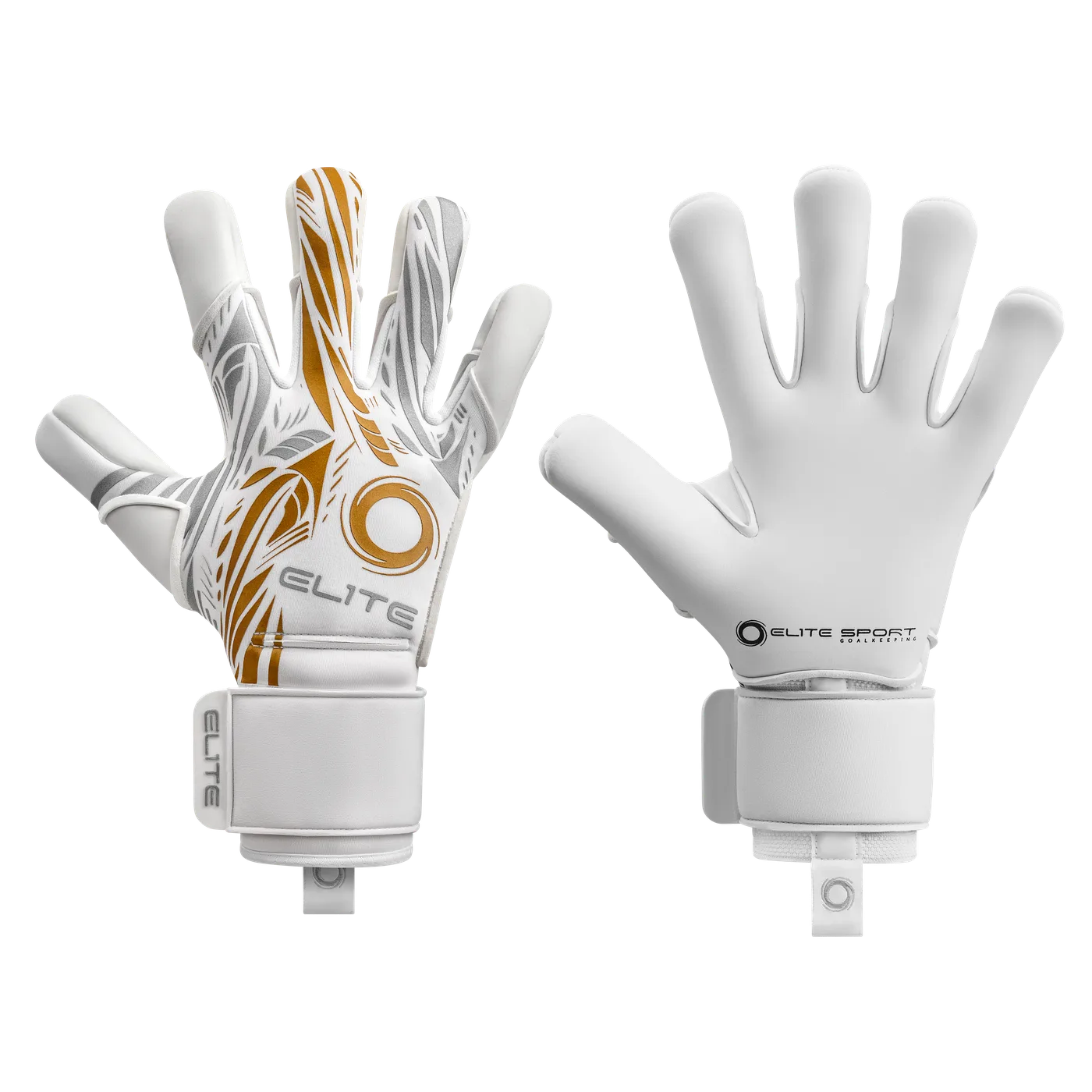
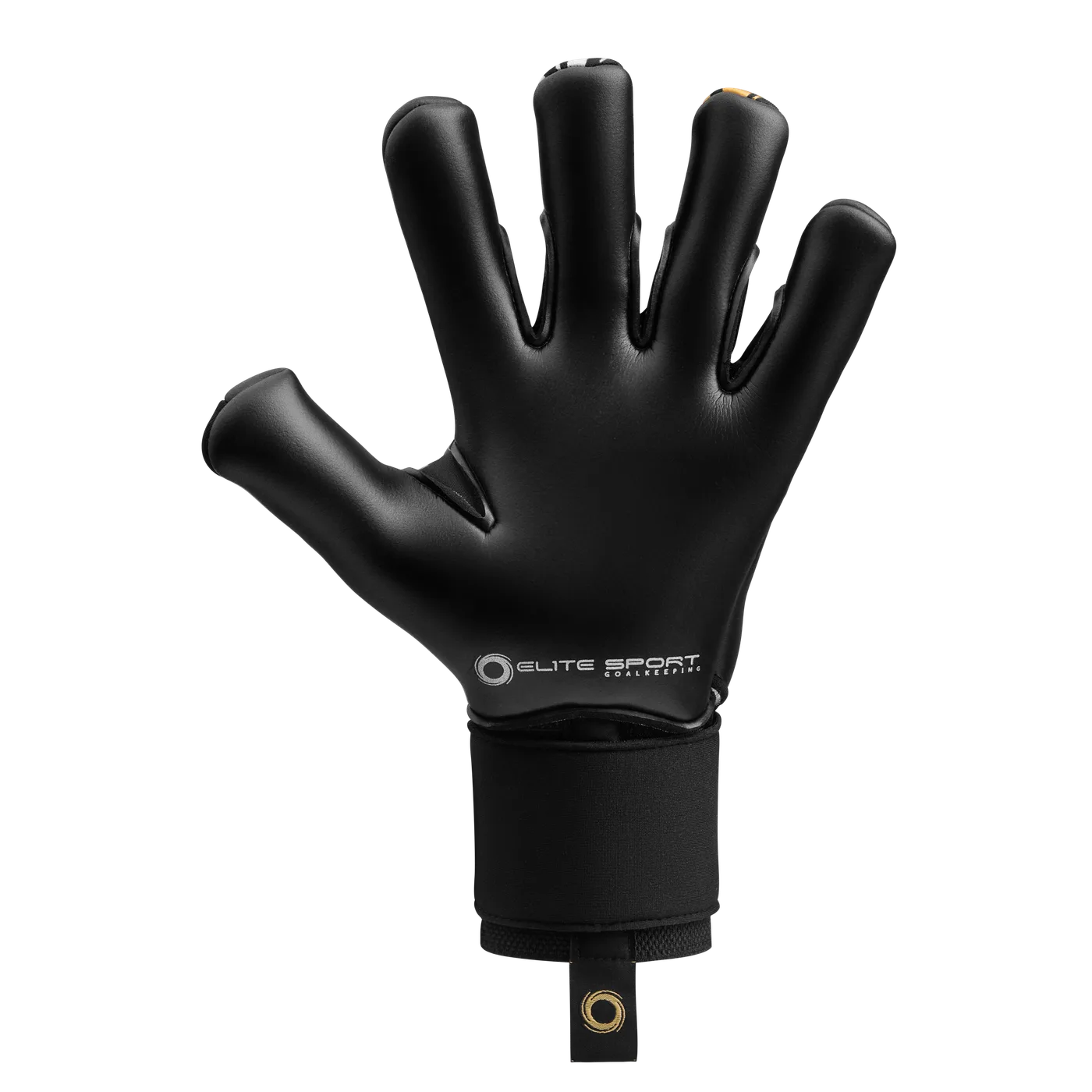
Models. Neo Line (Quartz, Quantum, Spin, Energy), Combat, Nobre, Solo White, Solo Black. If you train three times a week and compete every weekend, Centum+ is probably your sweet spot.
ES-V and Super Control. The accessible palms
ES-V (Force Pro) and Super Control (Flex Pro and Kids Pro) are palms designed for goalkeepers in development, schools, first glove and intensive training where you do not want to burn an expensive pair.
ES-V keeps 4 mm and performs above its price. Super Control drops to 3.5 mm in Flex Pro and 3 mm in Kids Pro, fitting younger hands.
The selling argument: even the Elite Sport entry-level glove performs better than the mid range of many other brands. That is what happens when a brand dedicated to goalkeepers raises the bar across its entire line.
The tradeoff nobody explains
Every palm lives in a triangle: grip, durability, cushioning. Improving one usually sacrifices the others. The beauty of a good latex is not being the best at one variable, but staying as close as possible to the center.
When you choose, identify which of the three is your priority. If you play on natural grass and compete high, grip rules. If you play on abrasive turf, durability rules. If you face many powerful shots, cushioning rules.
REDEFINE YOUR GAME. Want the top palm? T1 Prime Pro is the answer. For wet conditions, Revolution X Aqua. For best value, Neo Line Control Pro.
- Glove cuts
- Why Ultra G Tech is the most durable palm on the market
- Best goalkeeper gloves 2026
Find the glove that fits your level, surface, and style.