Goalkeeper positioning in the box. Complete guide
The well-placed goalkeeper stops many balls without effort. The badly placed one runs the whole match and still lets some get away.
Almost everything that happens in the box is decided before the ball comes out. Positioning is the least flashy skill and the one that makes the most difference in matches. Here are the technical principles to position yourself well in every situation.
The base concept. Closing the angle
Imagine two lines coming from the ball toward the two posts of your goal. That is the goal area available to the shooter. The more you advance toward the ball along the imaginary line that joins the center of your goal with the ball, the more you occupy that angle. The shooter has less goal visible.
Advancing reduces the angle. Staying on the goal line amplifies it.
But there is balance. If you advance too much and the shooter chips, you find yourself far away. Practical rule: advance to where you would not be beaten by a chip in normal conditions.
Position by ball zone
Ball in midfield. Goal line, slightly forward.
Ball in the front 30 meters. Advance two or three meters from the goal line. Center your body on the ball-goal line.
Ball in the central penalty area zone. Advance to the penalty spot in frontal position. Ready to react to a shot or filtered play.
Ball on the side inside the box. Cover the near post (closer to the shooter). Fewer options remain to shoot at the far post.
Ball on the byline. Cover the near post. The shooter's option is to cross back or play the pass, not to shoot at the far post.
Position in set pieces
Corner kick. Center of the goal, slightly shifted toward the far post. Ready to come out.
Wide free kick outside the box. Similar positioning to the corner kick, calibrated by distance.
Direct central free kick at 25-30 meters. Cover the post closer to the shooter. The wall covers the other side, but most likely the shooter will look for the side you leave more visible. Your defense places the wall, your job is to cover the other space.
Direct central free kick at 30+ meters. Center of the goal with active body. Lots of room to react to the shot or the elaborated play.
The far post detail
The far post rule says that on wide crosses and corner kicks you should be closer to the far post than the near.
Why. Most crosses pass through the area between the penalty spot and the byline. Being at the far post gives you range to go to the near (you advance) or stay (you dive laterally). If you are at the near post, the far post is totally empty and any cross to the far post is goal or shot at will.
How professionals move
A professional goalkeeper moves constantly, not standing still. The goal adjusts every time the ball changes zone.
Movement is lateral, keeping the body open. Do not cross your feet. Short steps, low weight, ready to react at any moment.
When the ball leaves the danger zone, you retreat and reposition. When it enters, you advance. Every second of the match your position is changing. If you stay static, you are already out of position.
Common positioning mistakes
Always staying on the goal line. You lose angle, shots arrive with the whole goal as target.
Coming out of the box on plays that do not require it. Pulls you out of your control zone.
Not adjusting after a corner. The play continues. Your position should adjust to the new layout.
Crossing your feet when moving. You lose balance if you have to react during the cross.
Forgetting the far post. The classic. A ball arrives at the far post and you discover you were stuck to the near.
Drill to train positioning
Your coach or a partner moves the ball through different zones at match speed. You move continuously, adjusting your position. Every 30 seconds they tell you STOP and check where you are. If it is not the right spot, they correct you.
After 10 minutes of this drill across several sessions, positioning becomes automatic. And a goalkeeper with automatic positioning has the head free to read the play.
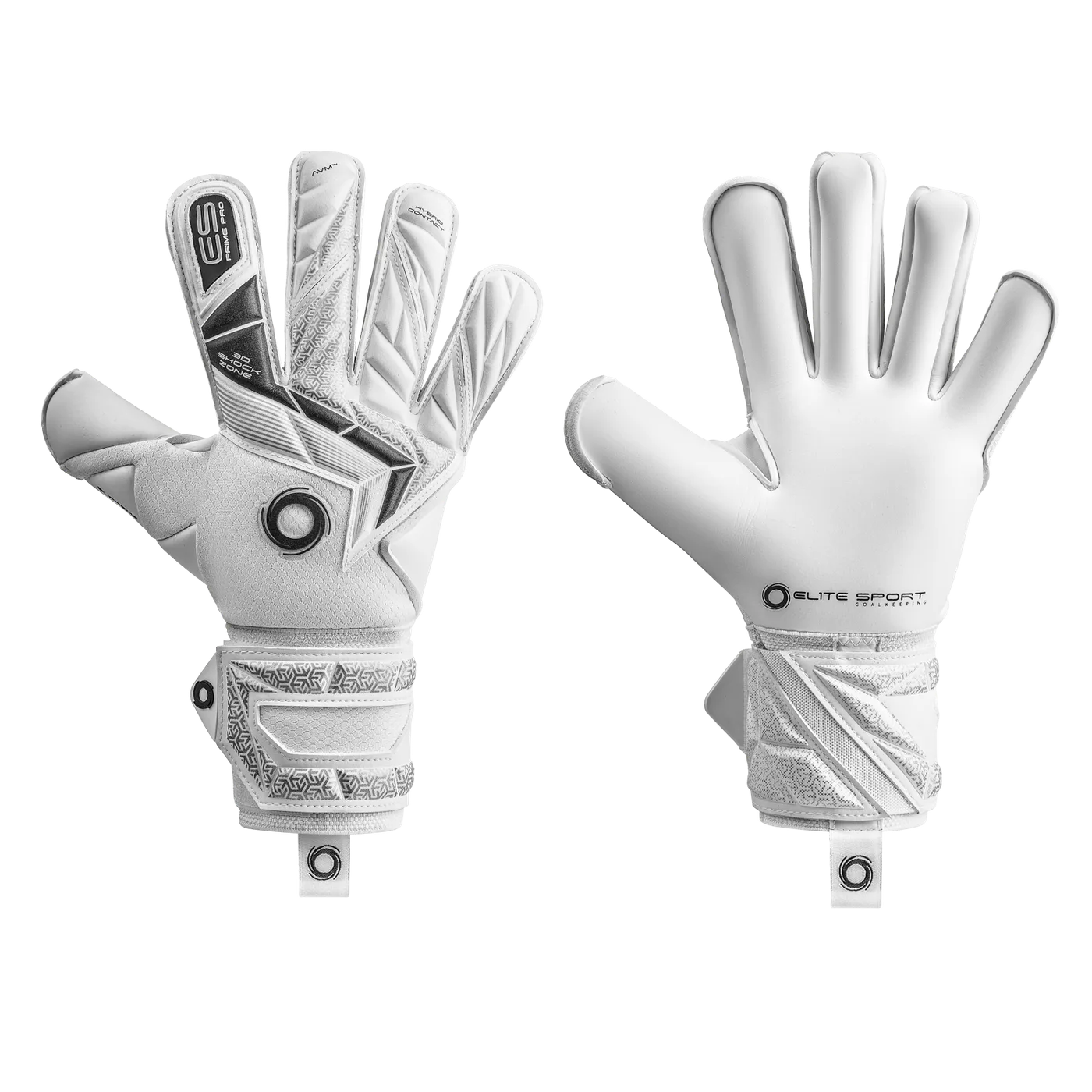
REDEFINE YOUR GAME. The well-placed goalkeeper needs a glove that responds. Neo Line Control Pro or T1 Prime Pro are the bets depending on your level.
- 10 drills to improve reflexes
- Goalkeeper distribution with feet
Find the glove that fits your level, surface, and style.