How long do goalkeeper gloves last. The truth without filter
If they tell you a glove lasts a whole season with intense use, they are selling you smoke. These are the real timelines.
The lifespan of a goalkeeper glove depends on four variables: the latex, the surface, the frequency of use and the care. The same glove in the hands of two different goalkeepers can last three times longer in one than in the other. This guide gives you the real ranges and the factors that move the needle.
Real timelines by usage level
Professional goalkeeper. Daily use, two sessions, demanding matches on premium surfaces. Each pair lasts between 3 and 4 weeks at optimal performance. After that they usually drop tier and move to training.
Competitive amateur. Four to five sessions per week, weekend match, mix of grass and turf. Each pair lasts between 6 and 12 weeks depending on main surface.
Recreational goalkeeper. One to two sessions per week, weekend match. A pair can last 4 to 6 months if cared for.
Occasional goalkeeper. Punctual sessions, recreational. A pair can last more than a year.
Kid in development. Hand growth plays a bigger role than wear. They usually change because of size before the actual wear.
What reduces lifespan
Artificial turf. We covered it in another article. A glove on turf wears two to three times faster than on natural grass.
Direct sun. Every hour in the sun dries the latex and turns it brittle. Do not leave them in the car, on the balcony or in the bag in the sun.
Wrong washing. Hot water, harsh soap or dryer can kill a glove in a single session.
Storing wet. Storing the glove wet inside the bag makes the latex stick to itself and break when separated.
Using the same pair for everything. If you train and play always with the same glove, its lifespan drops in half. Having two pairs is the most profitable investment a goalkeeper can make.
What extends lifespan
Hydrate the palm before playing on turf. We repeat this advice because it is gold.
Wash after every match and rinse after every training.
Dry in shade air and store with residual moisture.
Have a separate match pair and training pair.
Clean the palm with your fingertips during the match if dirt builds up.
Use a breathable bag for transport, not the backpack crushing the glove.
Why Ultra G Tech lasts longer
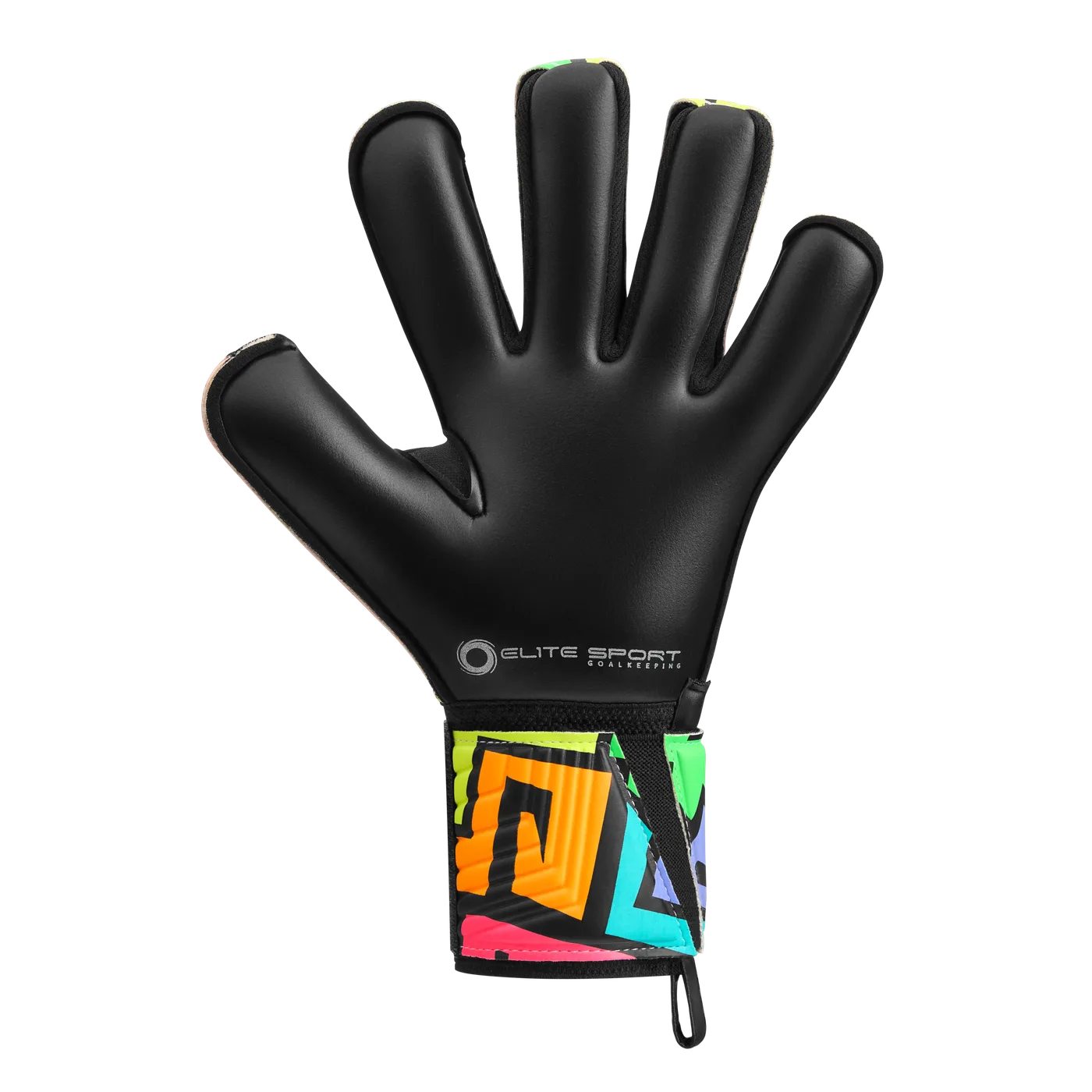
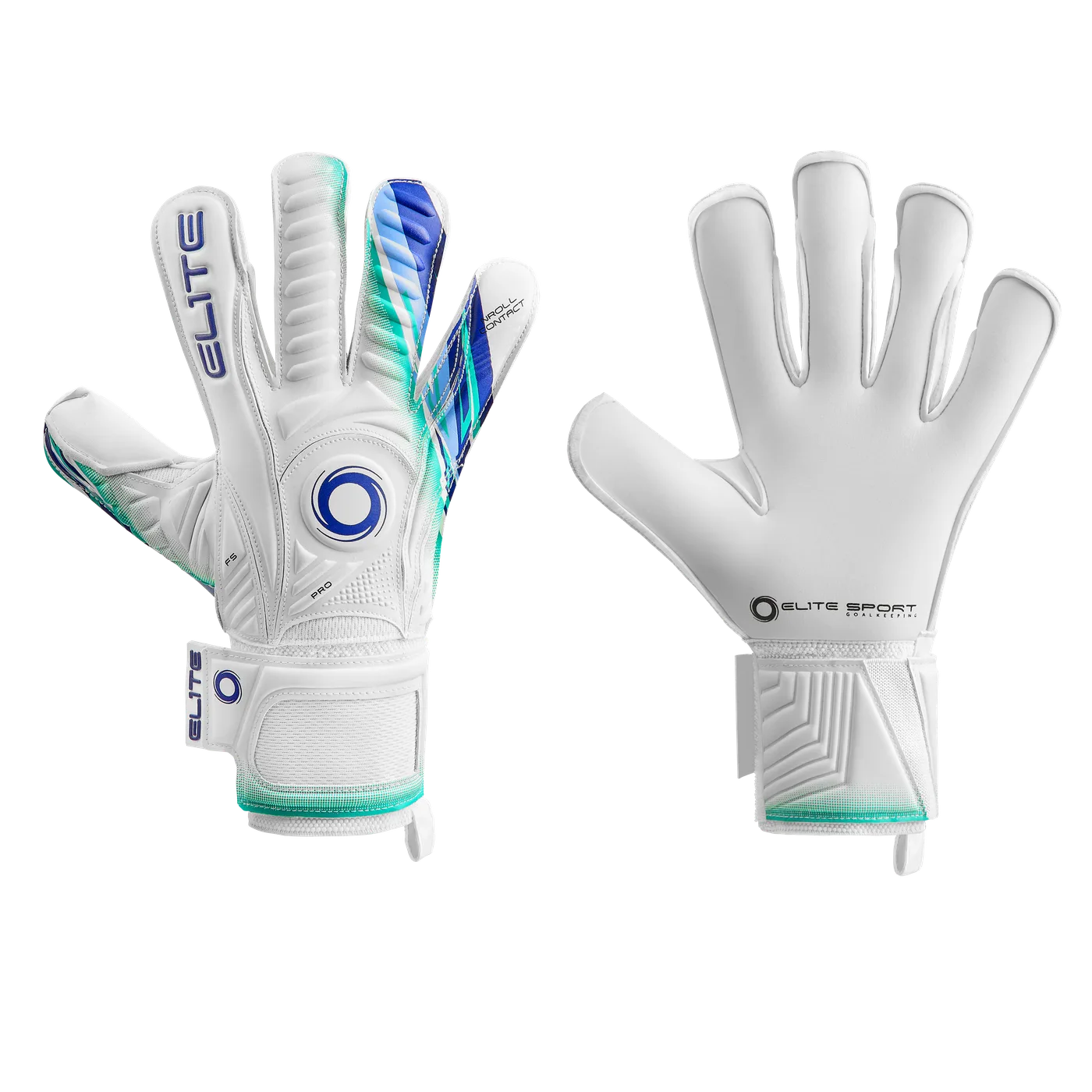
Every latex palm lives in the grip-durability-cushioning triangle. The Ultra G Tech formula on the Elite Sport Prime Pro tier is optimized to push durability above the average without sacrificing grip.
The concrete argument. In similar conditions, other premium palms start losing grip after two or three weeks of intensive use. Ultra G Tech keeps performance longer. It is not magic, it is a latex formulation that bets on longevity.
That is why goalkeepers who have tried several brands end up at T1, Revolution X or Supreme when they discover how much one pair gives them.
When to change gloves
Clear end-of-life signs.
- The palm has lost grip even when freshly washed and damp.
- Visible cracks in the palm latex or fingertips.
- The glove feels stiff when you put it on, no elasticity.
- Thinned areas where you can see seams or underlying layers.
- Removable spines no longer go in or out correctly.
If two or more of these signs appear, do not wait. Change. A dead glove will cost you saves you could have made.
Elite Sport investment strategy
If you want to optimize investment, this is the strategy we recommend.
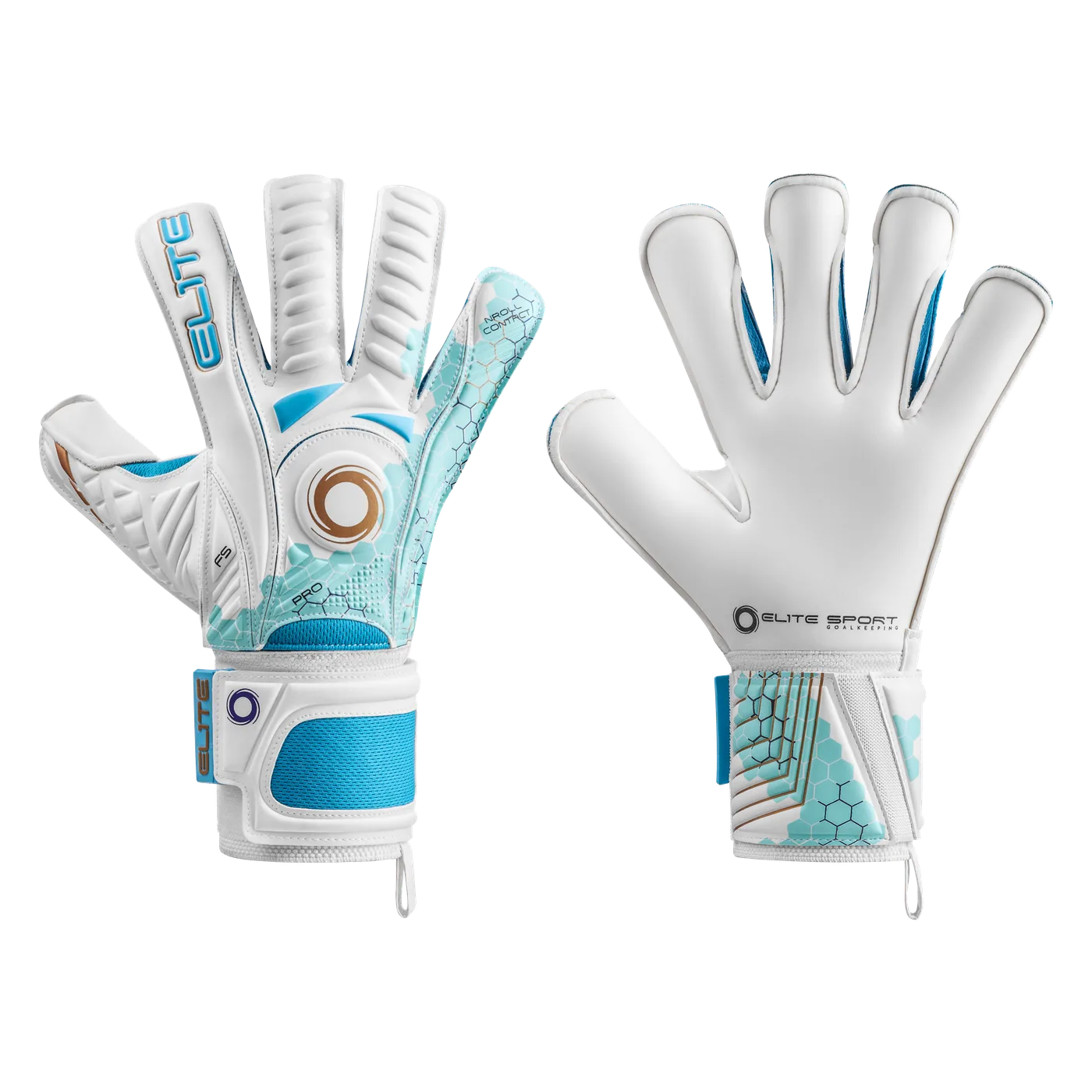
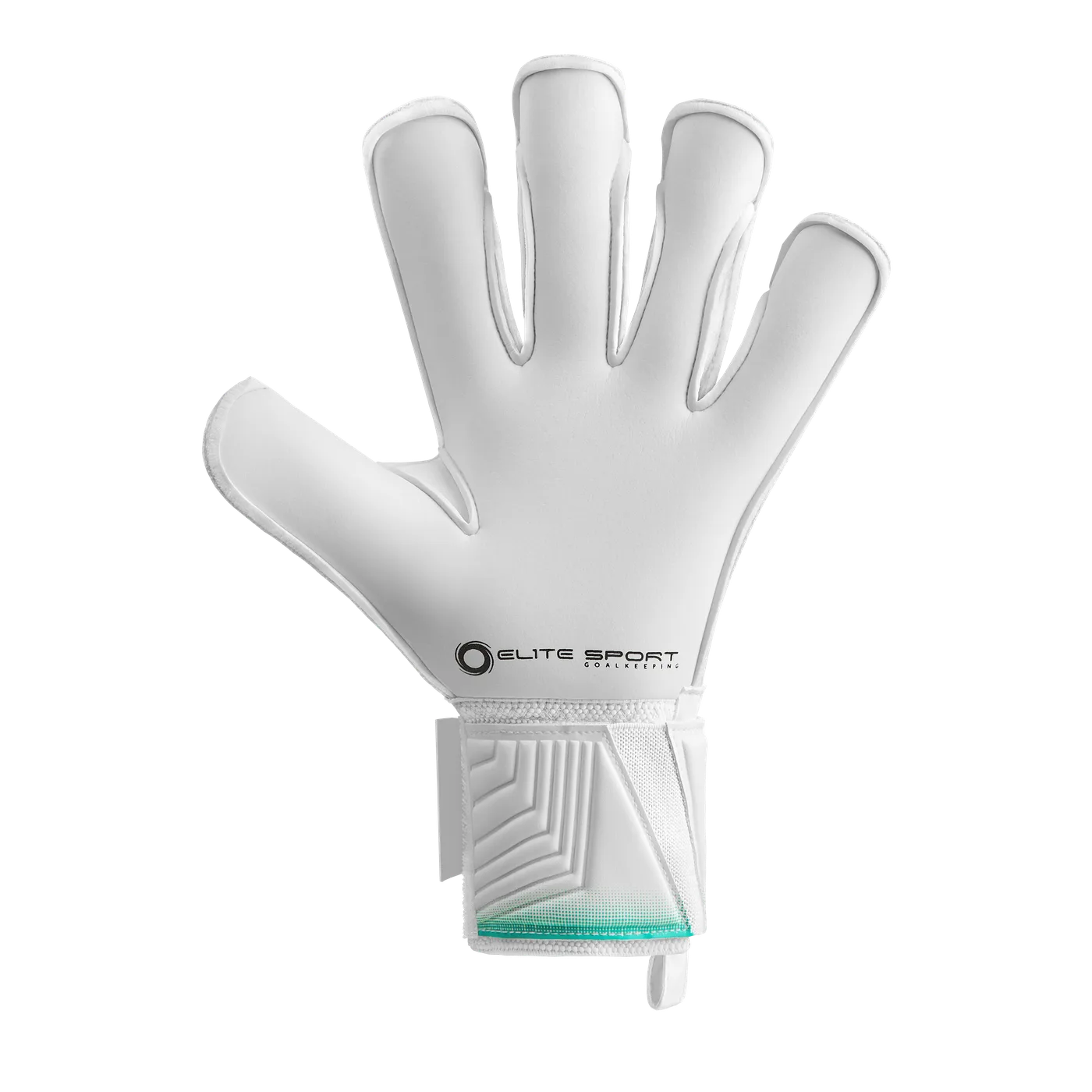
Buy two pairs at once. One mid-tier for training (Force Pro or Control Pro). One high-tier for matches (Control Pro or Prime Pro).
Rotate. While one dries, you use the other. Each pair has time between use to hydrate and rest.
Result. Each pair lasts you between 70 and 100 percent more than if you used one pair daily.
REDEFINE YOUR GAME. Want a palm that lasts longer without sacrificing grip? T1 Prime Pro or Supreme M H are the safe bet.
- Mistakes that destroy your gloves
- Why Ultra G Tech is the most durable palm on the market
- Gloves for artificial turf
Find the glove that fits your level, surface, and style.