Goalkeeper coming out. When, how and with what technique
The goalkeeper who comes out wins the match in advance. But coming out badly costs you double. Here is how to do it well.
A well-executed coming-out kills danger before it exists. A bad one leaves the goal empty and turns you into the villain of the Top 10. The difference between the two is in the prior reading, the execution technique and the decision to commit or stay. This guide takes you through the three most common situations.
Type 1. Aerial coming out for crosses
When it leaves. On wide crosses, corner kicks, long balls into the box.
Far post rule. Position yourself slightly shifted toward the far post. Most crosses go between the penalty spot and the goal line. Being well placed gives you range.
Reading. Decide BEFORE the cross. If you go, go all in. If you do not go, stay planted and work the rebound.
Jump. Jump with one leg, the opposite to your extended arms. This gives you more height and protection. The support leg (bent knee) protects against contact.
Catch. Both hands to the ball, fingers open forming a W with thumbs and index. You catch at the highest point, not waiting for it to drop.
Type 2. Low one-on-one coming out
When it leaves. When an attacker receives the ball alone in the box or arriving at it.
Timing is everything. If you come out too soon, the attacker dribbles you. If you come out late, they already shot.
Reduce the angle. Advance toward the ball following the line between the ball and the center of your goal. Every meter you advance, you close the shooter's angle.
Final posture. Body low, arms open, legs semi-flexed. Imagine occupying the maximum possible space with your body.
Wait for the attacker's touch. Do not dive at the first move. Wait for the moment the ball separates from the foot. That is when you react.
Type 3. One-on-one with space
When it leaves. When an attacker receives the ball with space between you and the defensive line.
Decision. If the attacker receives in modern goalkeeper position (pass from defender or interception), your work begins earlier. If your defense is close, wait. If your defense is far, you come out aggressive.
Sweeper keeper. Here enters the modern goalkeeper. You come out far from the box when needed to anticipate the attacker. Clear with the foot if you arrive, or catch if it is well defended.
This coming-out is used by complete goalkeepers of modern football and separates the 90s goalkeeper from the 2020s goalkeeper.
Common mistakes in coming out
Hesitating. Coming out and regretting halfway is the worst a goalkeeper can do. If you decide to go, commit fully.
Not communicating. When you come out, SHOUT. Let your defense know you are going for the ball. If you shout and then do not go, you take responsibility. If you go without shouting, guaranteed collision.
Jumping with two feet. You lose height and protection. Always jump with one leg.
Reaching the ball without protecting yourself. The jumping knee should be raised. It protects you against the attacker on contact.
Catching low instead of at the highest point. If you catch late, someone can take it from your hands on contact.
Train coming out in training
Drill 1. Crosses from the side. 20 consecutive crosses, alternating near post and far post. Come out and catch at the highest point.
Drill 2. One-on-one coming-outs. Partner with ball at 30 meters, you on the goal line. Partner sets off, you come out at the moment of the first touch.
Drill 3. Play reading. Your coach simulates three actions (cross, through ball, long shot) and you decide in milliseconds which to attack.
The right gear
For aerial coming-outs, prioritize gloves with backhands that cushion well and palms with good finger protection.
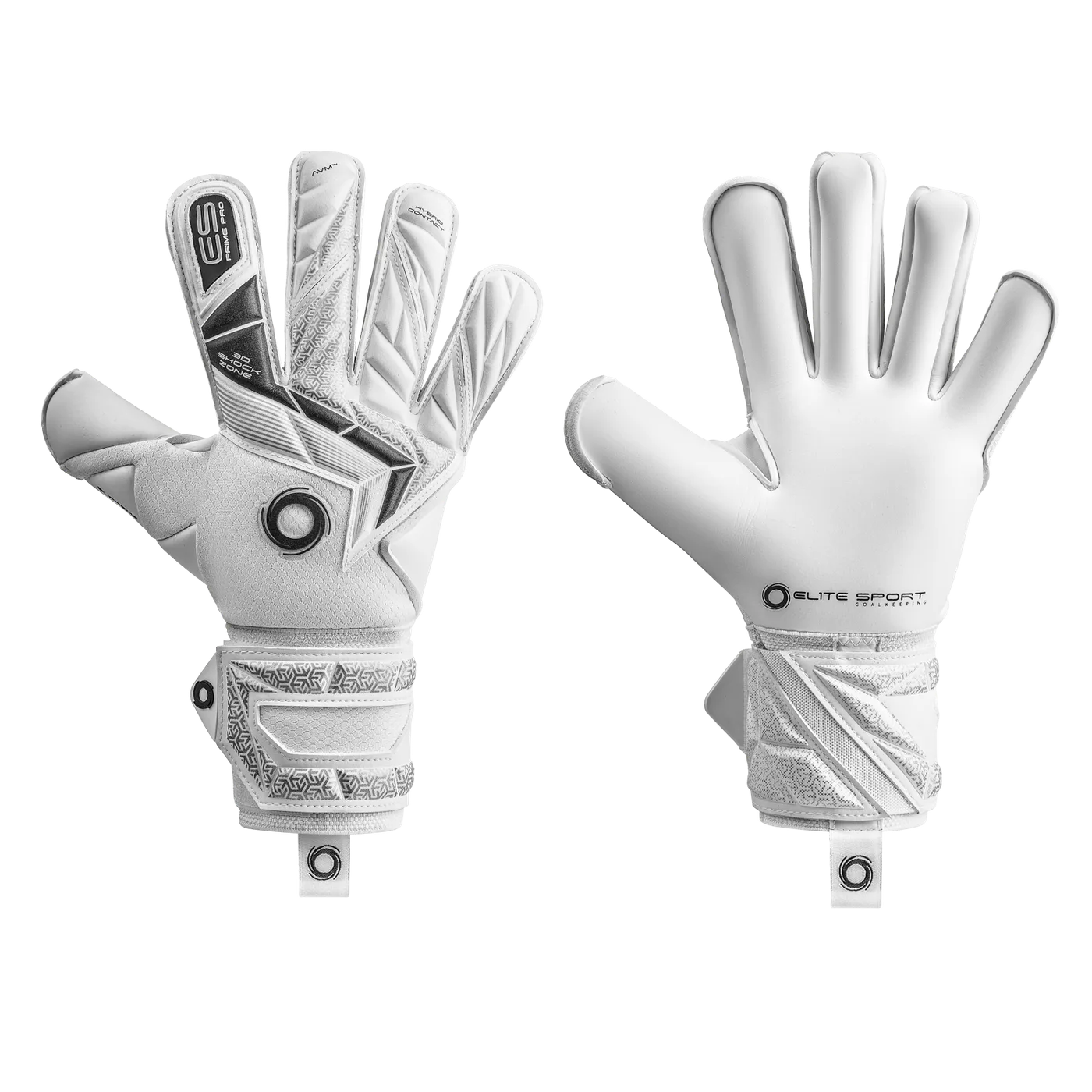
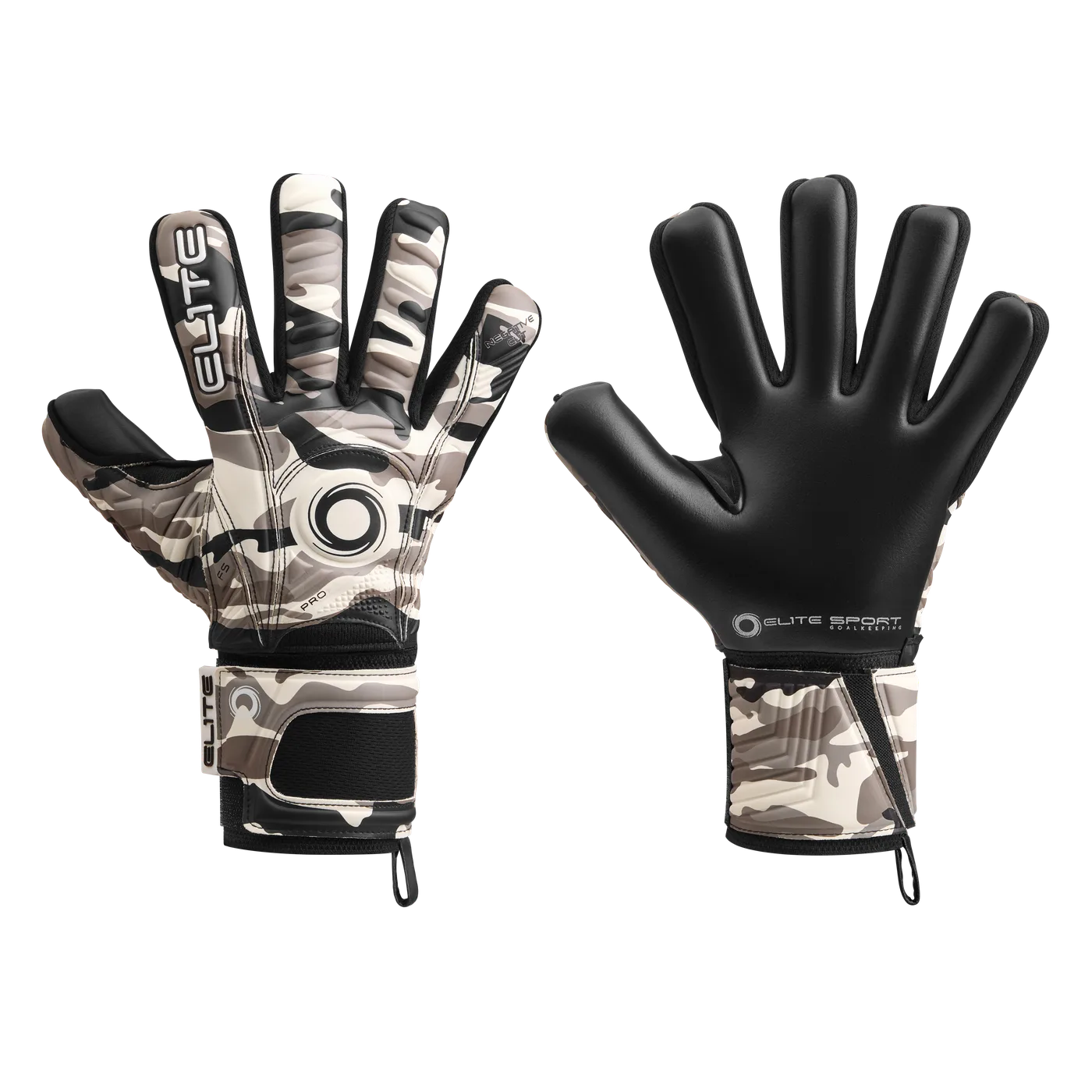
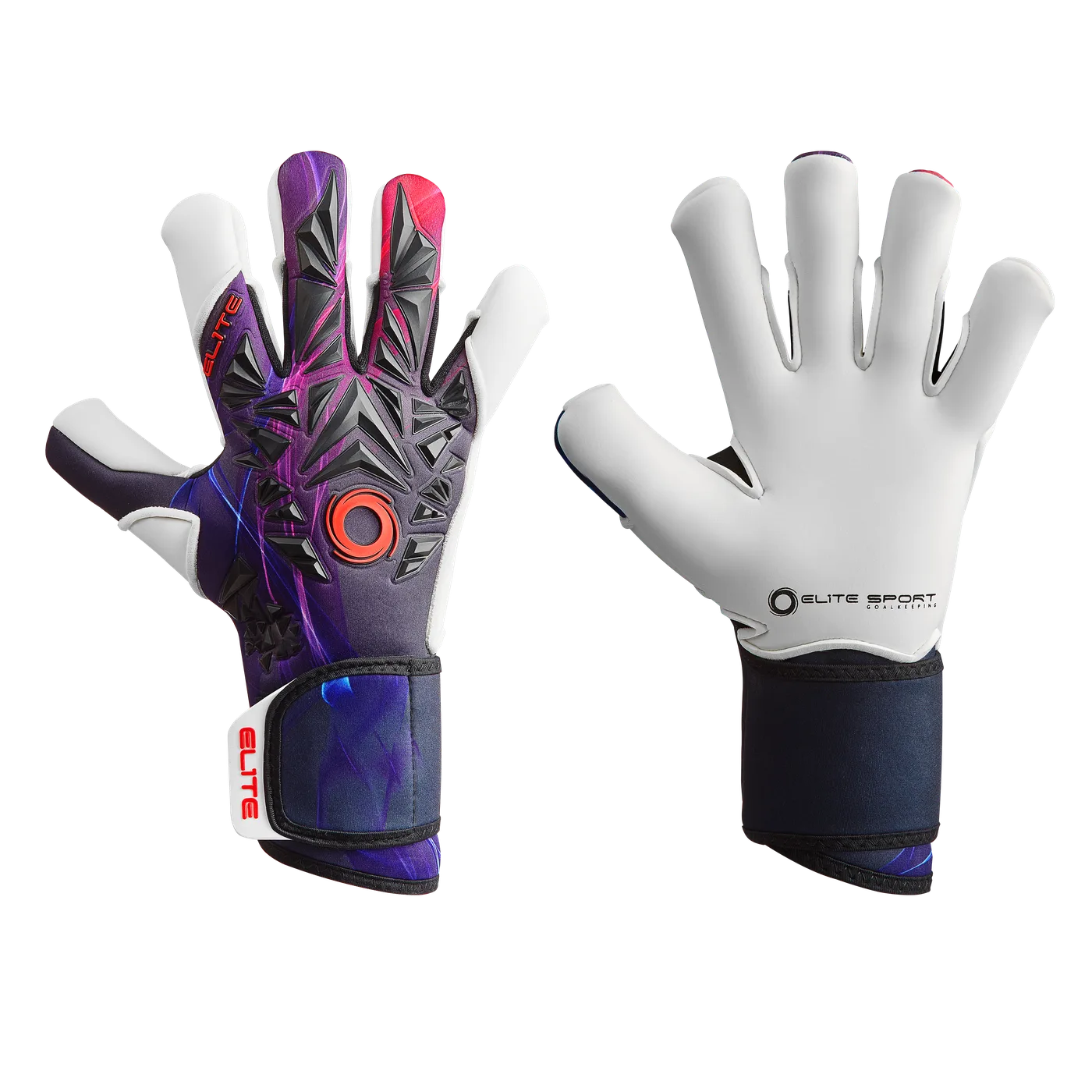
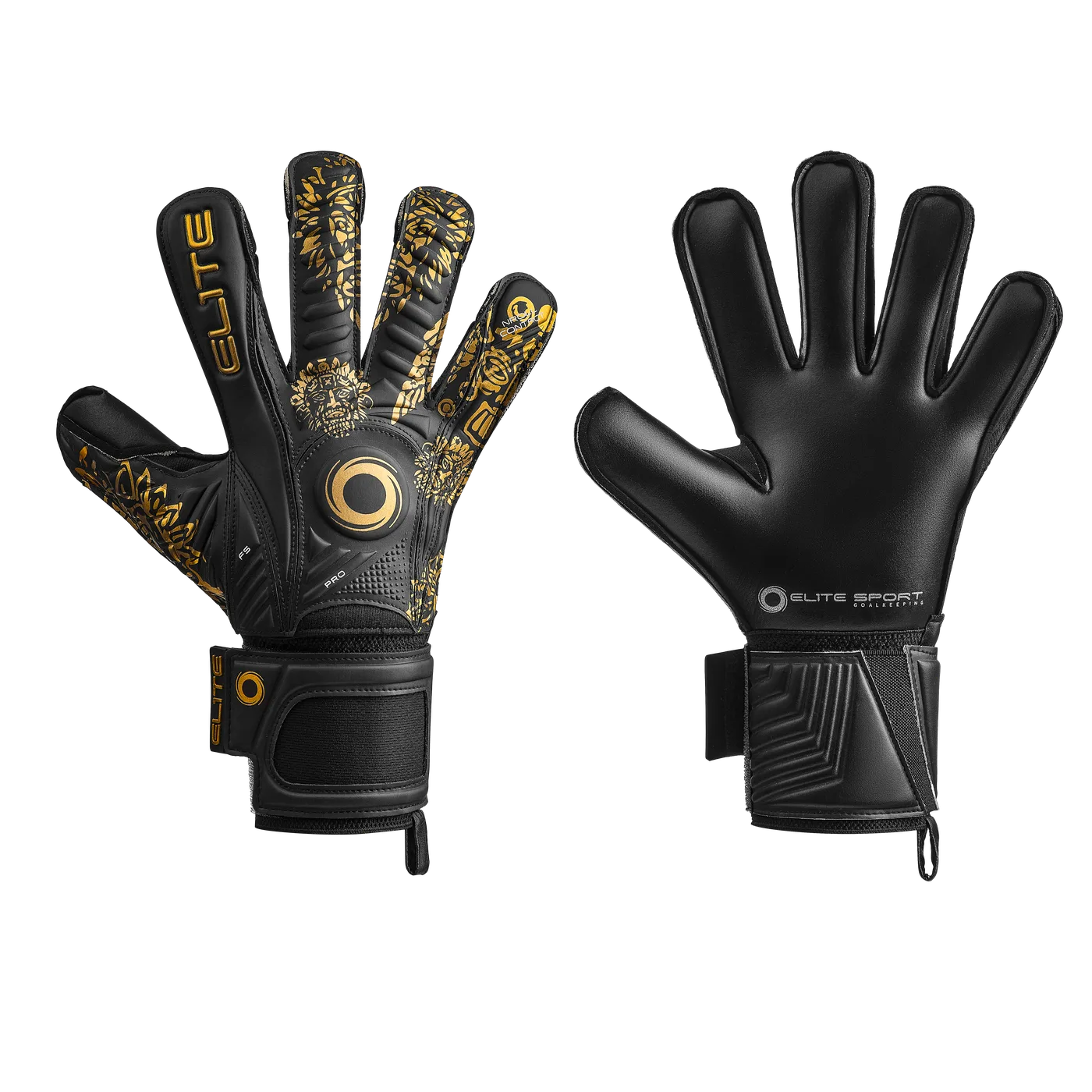
Recommended Elite Sport models. Supreme with latex backhand, maximum cushioning. Lion with hybrid cut and the same backhand quality. If you punch a lot, Real with Rollfinger cut maximizes surface.
REDEFINE YOUR GAME. For coming-outs with reinforced backhand, Supreme Prime Pro. For maximum surface in punching, Real Prime Pro.
- Goalkeeper distribution with feet
- 10 drills to improve reflexes
Find the glove that fits your level, surface, and style.