How to save penalties. Technique, reading and psychology
The penalty says 80 percent goal and 20 percent save. Your job is to move that number. And you can.
Statistically, in a penalty the odds favor the shooter between 75 and 85 percent. But that number is an average. There are goalkeepers who save well above that average. How do they do it? It is not luck. It is a combination of three trained skills: reading the shooter, positioning yourself technically well and managing mental pressure. This guide gives you all three.
Block 1. How to read the shooter
The shooter gives clues, almost always without knowing. Your job is to catch them in the seconds before the shot.
The run-up. A long, fast run-up usually indicates a powerful shot, often to the shooter's strong side (their dominant side). A short, paused run-up usually indicates a placed shot, more at mid height.
The last step. If the shooter's last step is long and firm, they are looking for power. If it is short and nervous, they usually go for placement.
The hip. The hip points where the ball goes in most non-professional shooters. In pros it is more disguised but it is still a clue.
The gaze. Some shooters look at the goal, especially the less experienced ones. The shooter's gaze three meters from the ball frequently reveals the side.
The plant foot. The non-dominant foot (the support foot) usually points toward the side the ball is going. In right-footed shooters, if the plant foot points to your right, the shot almost always goes to your right (their left).
Block 2. Positioning and movement technique
Starting position. On the line, slightly forward at the moment of the shot (the rule allows advancing but one foot must remain glued to the line until contact).
Posture. Feet shoulder width, slight knee bend, weight forward, arms relaxed with hands at waist height.
Hold it. The difference between an average and an elite goalkeeper is the ability to hold. Dive once you have information, not before. Pros hold until the shooter's foot touches the ball.
Extension. When you dive, do it with one leg pushing firmly and one arm extended to the maximum. The hand going to the ball arrives before the rest of the body.
Pick up the rebound. If you parry but do not catch, get up immediately. Many goals come from uncontrolled rebounds.
Block 3. Psychology of the penalty
The penalty is a mental duel before a physical one. If you arrive defeated in your head, you already lost.
Win-mindset. Remember you are in a psychological advantage position: if you concede, it is not your fault, everyone expected it. If you save, you are a hero. You live everything on the upside.
Breathing. Before the shot, two slow inhalations, two long exhalations. Lower the heart rate and come back to yourself.
Mind games. Some goalkeepers use tricks to unsettle the shooter: walking slowly along the line, holding eye contact, delaying position. They work for goalkeepers with personality. Do not use them if they do not feel natural.
Visualize. Before each penalty you face, visualize a successful save, not the possibility of conceding. Your brain repeats what you focus on.
How to train penalties
Once a week, dedicate 20 minutes to penalties. Ask three different shooters with different styles. Some powerful, some placed. Work on reading, not just reflex.
Record video if you can. Review afterward what shooter clues you caught and which you missed.
Work psychology with your coach. Talking about pressure and how to manage it with a professional or a more experienced teammate is worth a lot.
Common penalty mistakes
Diving too early. You lose information. If the shooter sees you already diving, they simply place to the other side.
Always betting on the same side. Predictable. Top-level goalkeepers mix bets according to match and shooter context.
Arguing with the referee or shooter before the kick. It angers you and takes away concentration. Keep your head cool.
Lowering your arms at the moment of the shot. Arms relaxed but active until the very end.
Gear matters
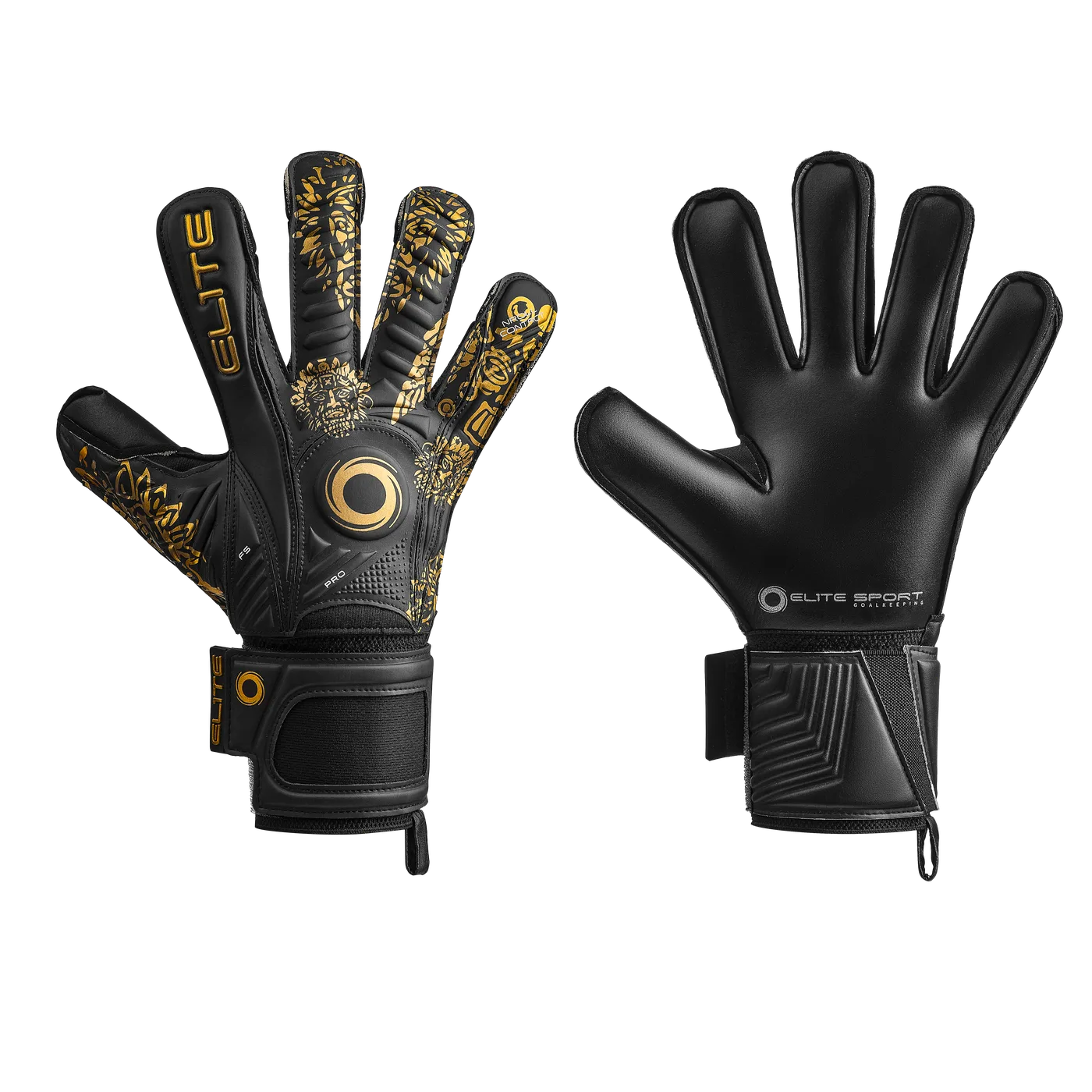
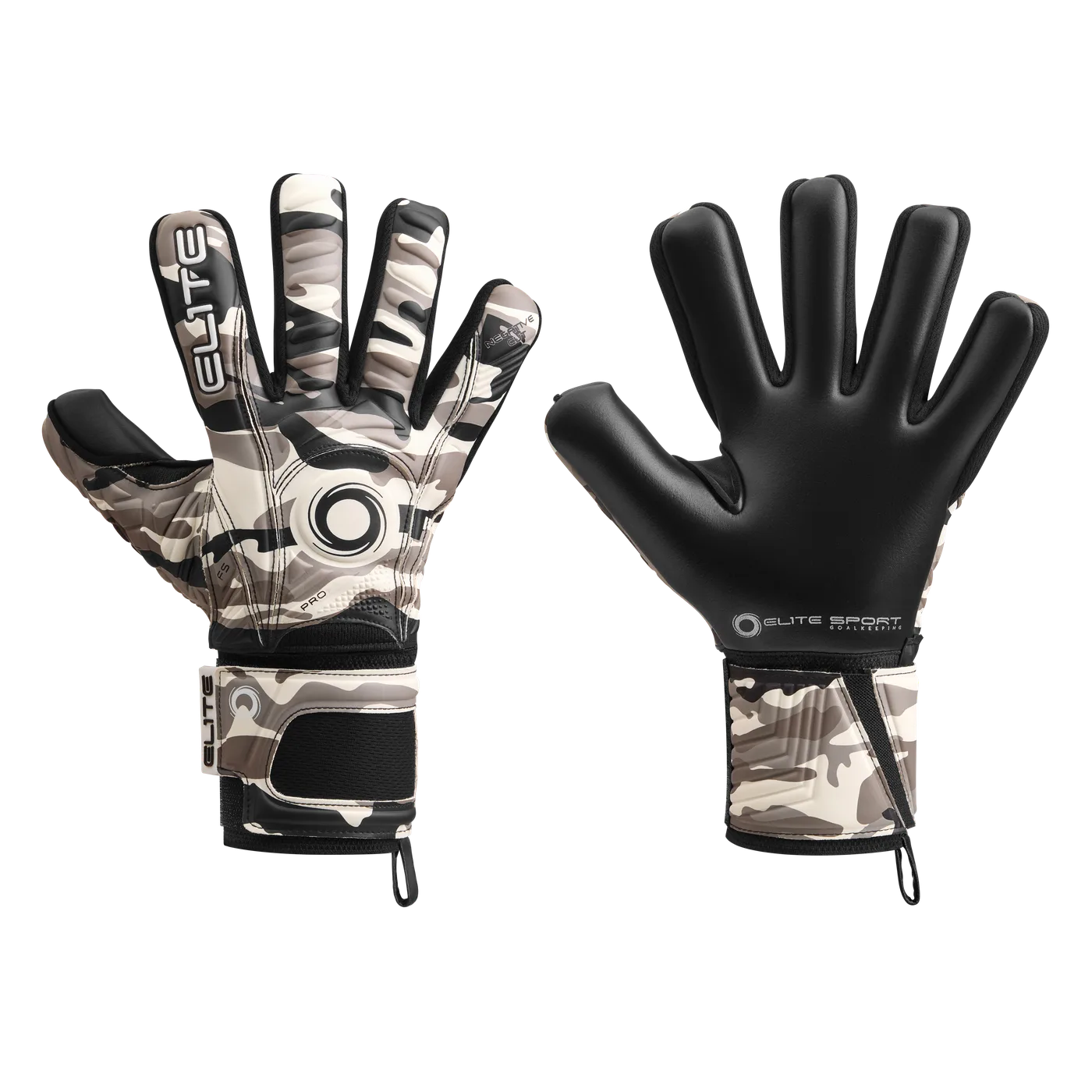
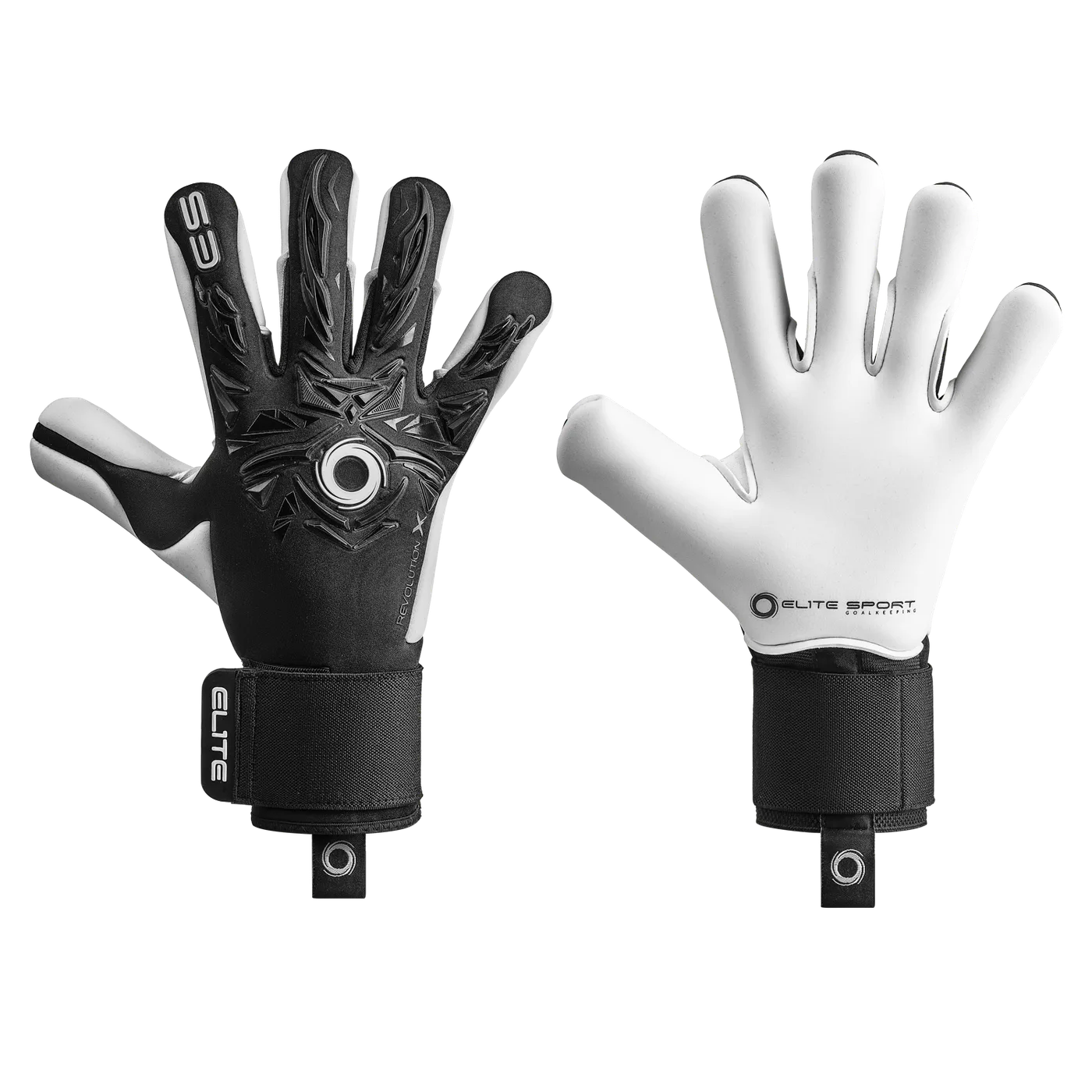
For a penalty, what matters most is the hand. You want a glove with a cut that gives you sensitivity and maximum contact area. Negative or Flash X are the safe bets.
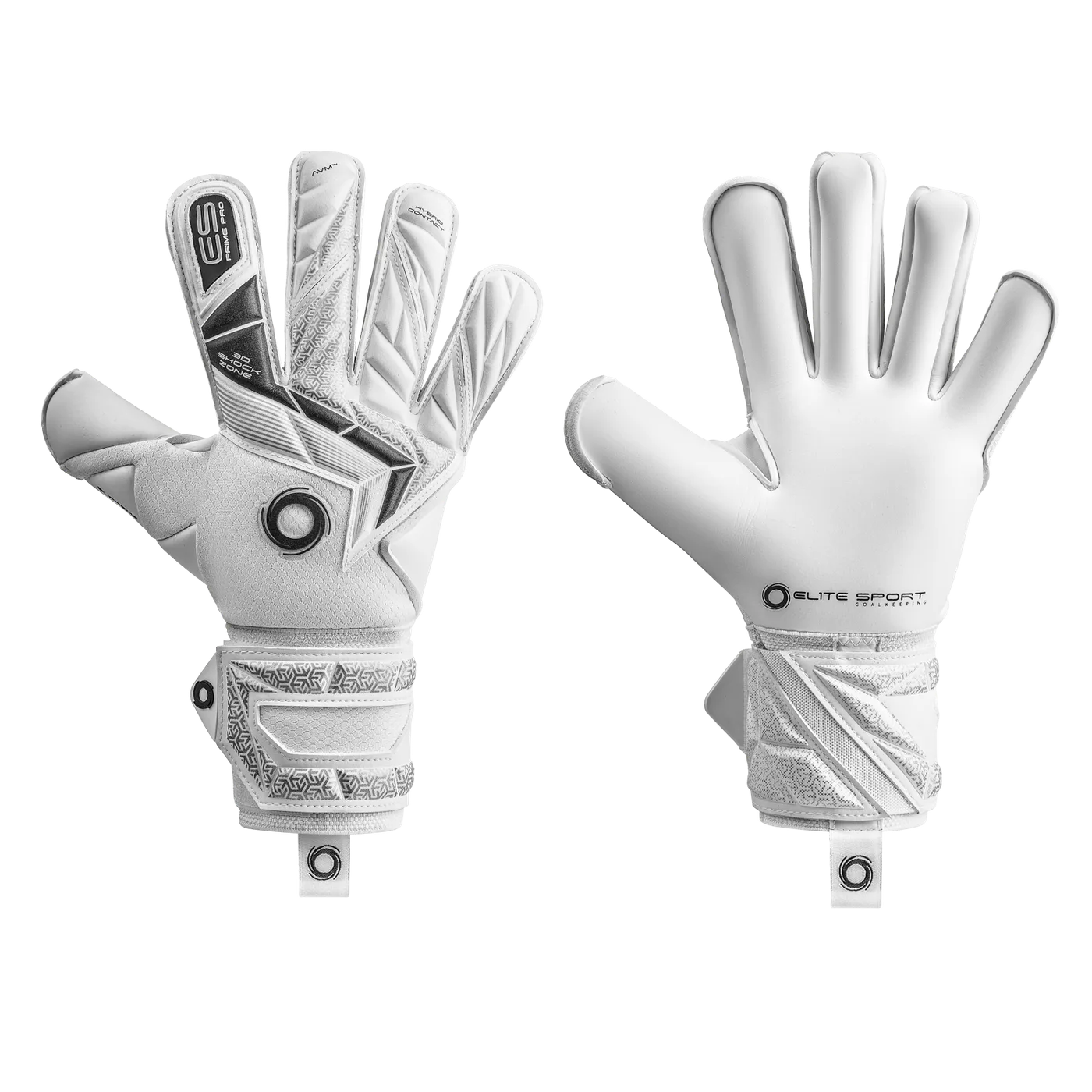
Recommended Elite Sport models. T1 if you go with the classic Negative cut. Revolution X if you want the proprietary Flash X cut that wraps fingers and palm. Supreme M Aqua if you play penalties in the rain.
Data to inspire you
Elite goalkeepers save between 20 and 25 percent of penalties throughout their career, almost double the pure statistical average. That gap is not chance. It is reading, technique and mind trained.
If you work the three blocks of this guide for a complete season, you will see your numbers go up.
REDEFINE YOUR GAME. For maximum sensitivity in the key moment, T1 Prime Pro. For the proprietary Flash X cut that changes your contact area, Revolution X.
- How to recover after conceding
- Pre-match rituals
- 10 drills to improve reflexes
Find the glove that fits your level, surface, and style.