My kid wants to be a goalkeeper. Guide for parents
Your kid chose the most demanding position on the pitch. What happens next depends a lot on you.
If your son or daughter told you they want to be a goalkeeper, first congratulations. They chose a special position, one that teaches responsibility, self-demand and resilience from a young age. Now comes your part. As a parent, your role is not to coach them. It is to accompany them. This guide explains how, what gear they need, what mistakes to avoid and how to navigate the emotional moments coming.
Why the goalkeeper position is different
While a striker misses a goal and the next minute can score two, the goalkeeper has to live with a mistake in plain sight for the rest of the match and sometimes for days. For a kid this is huge.
Your kid will learn, willingly or not, emotional tools most adults do not have. They will learn to fail in public and get back up. They will learn to trust themselves when everyone doubts. They will learn to lead without the ball.
That learning is worth more than any sporting result.
The basic gear to start
The minimum a kid goalkeeper needs.
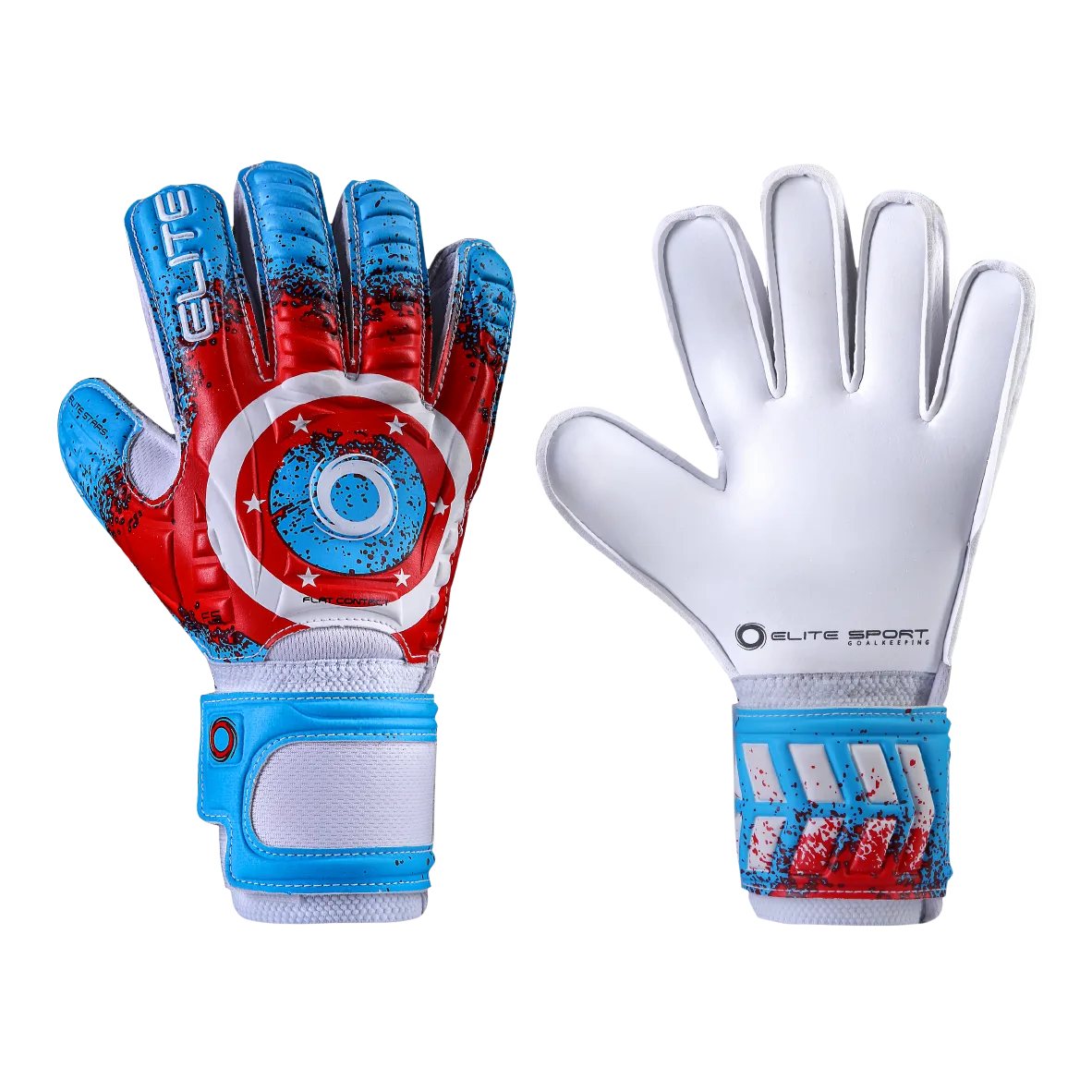
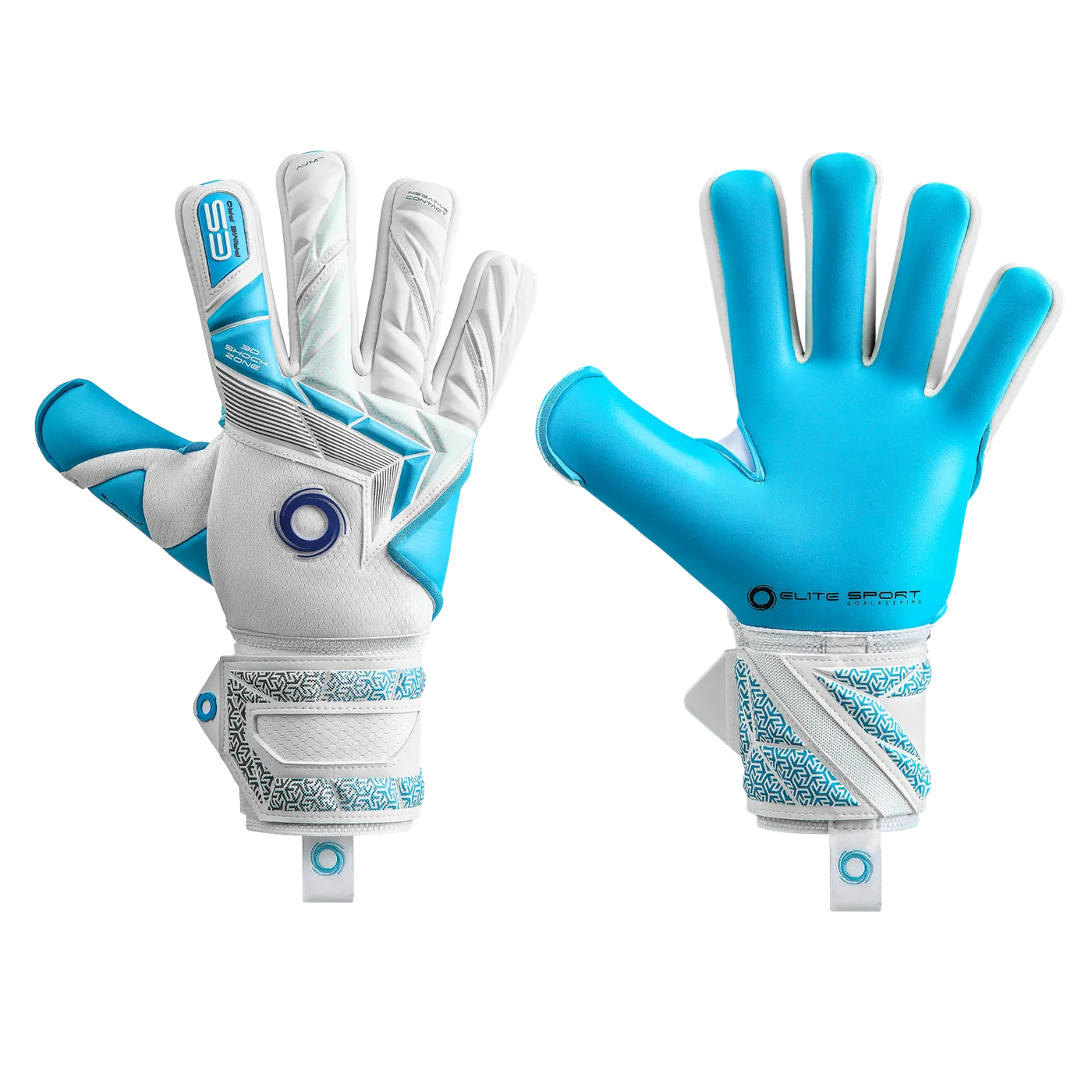
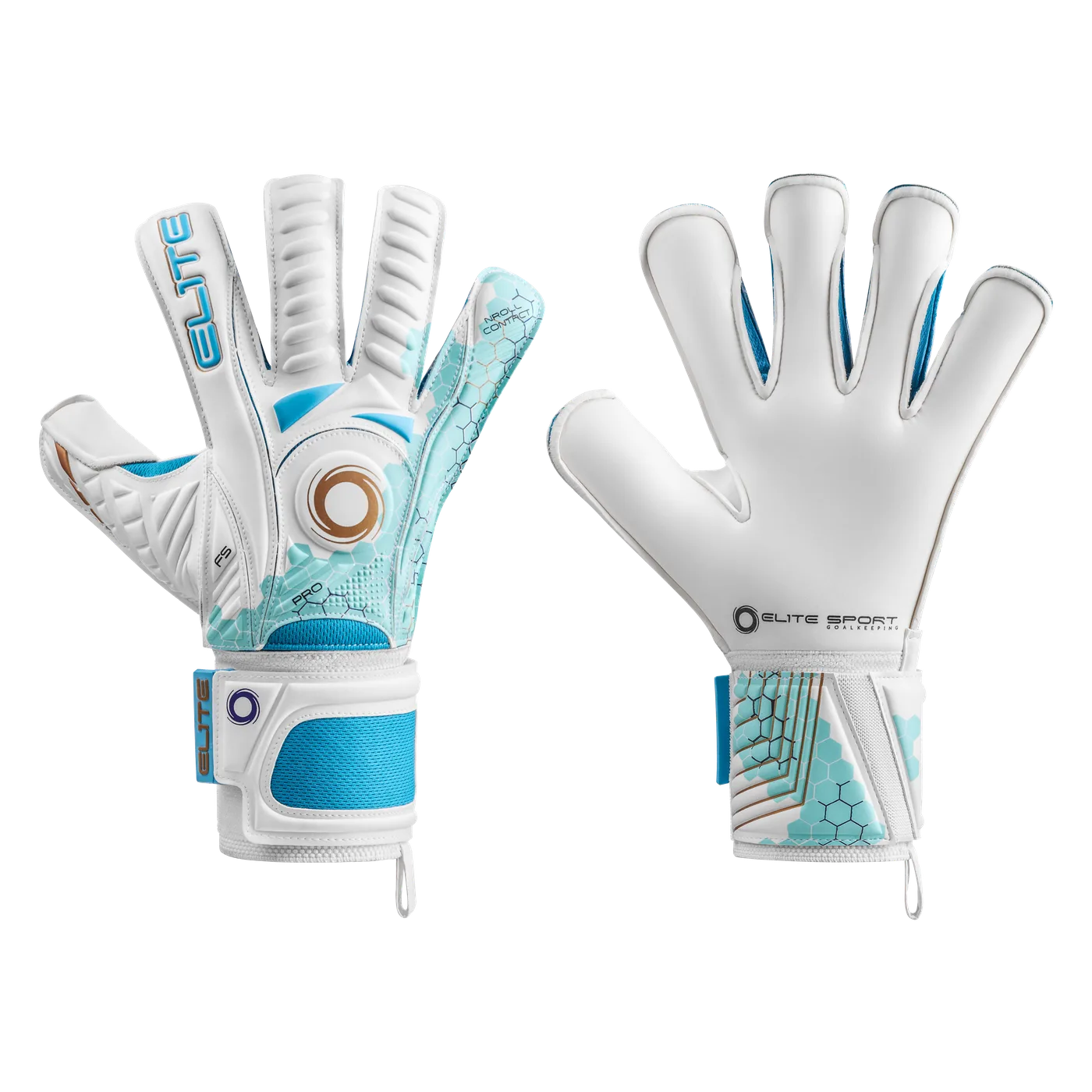
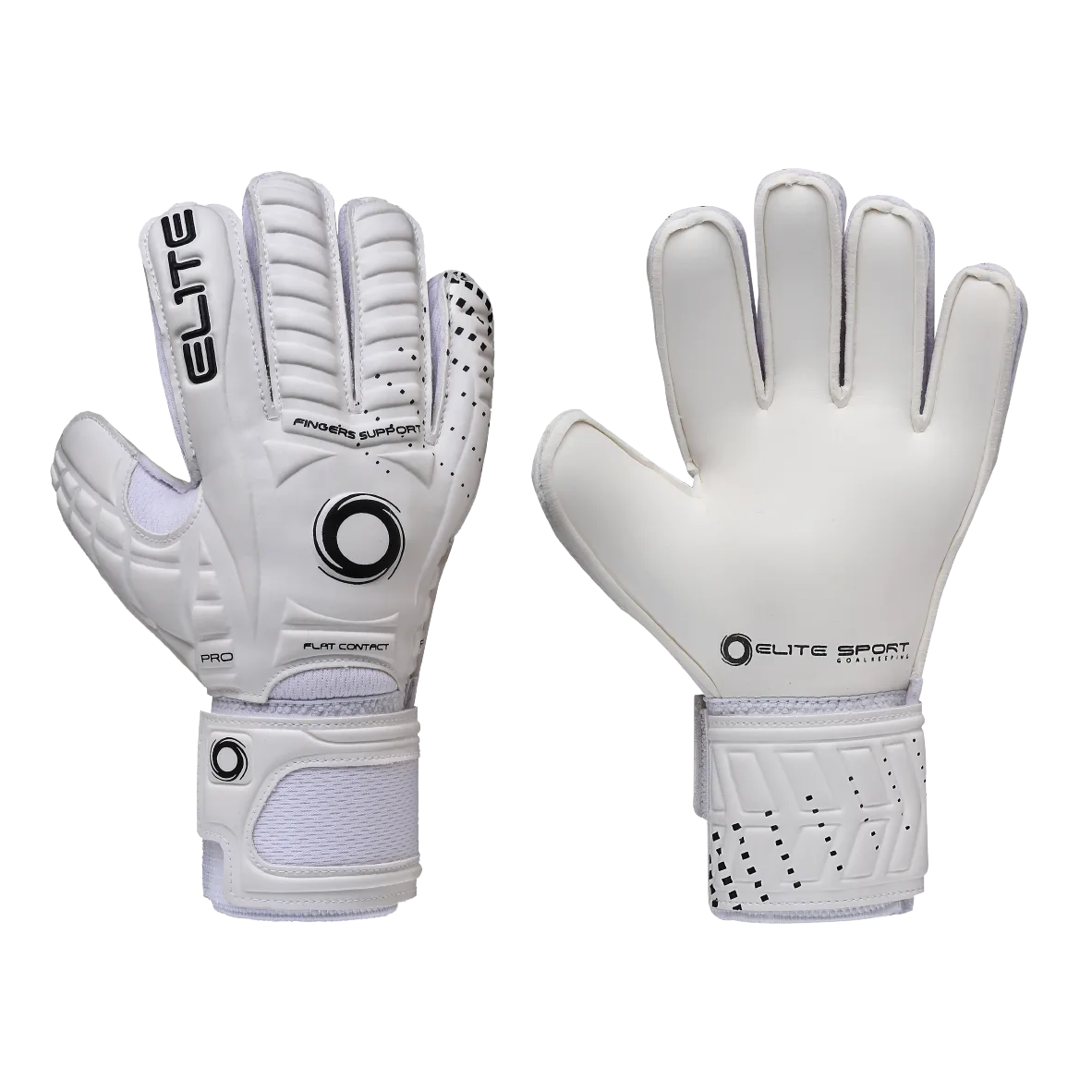
Gloves appropriate for their size. The Elite Sport Kids Pro line runs from 3 to 6 (ages roughly 4 to 12). If your kid is starting, the Stars, Spider, Warrior White or Warrior Black models with fixed spines are an excellent option for finger protection in development.
Tights or long pants. Recommended for knee protection in falls. There are versions with soft padding specifically for young goalkeepers.
Long sleeve shirt. Traditional for goalkeeper, also offers protection to arms and elbows in falls.
Football boots or trainers. Same as field players. On turf, short stud sole. On natural grass, long studs.
Optional mouth guard. In high categories or if they play competitive tournaments, recommended.
Breathable bag. So they can transport and store their gloves properly.
How much to invest at the start
Common question. My advice. Do not buy the most expensive glove from the start. If your kid has been playing three months, they still do not know if it will become a passion. Start with an accessible Kids Pro pair. If in six months they remain motivated, move up.
Frequent mistake is buying adult gloves in small size. Does not work. An adult glove in size 5 is not designed for a small hand. The Kids Pro line is designed specifically for pediatric sizes. Fits better, grips better and wears in proportion to a kid's actual use.
Typical parent mistakes
Yelling instructions from the stands. Your kid hears the coach and you at the same time. Confuses and frustrates. The coach coaches. You support.
Comparing with other goalkeepers. Each kid develops at their pace. Comparing creates anxiety and erases motivation.
Living the match as if you were playing. If your weekend mood depends on the result of your kid's match, your kid notices. Every time they lose, they feel guilty for your bad mood too.
Punishing for conceding goals. Never. Conceding is part of the game. Punishment creates fear. Fear blocks. The block brings more mistakes.
Praising only when there is a good result. The goalkeeper plays well and loses, plays badly and wins. Your recognition should be based on effort and growth, not the scoreboard.
How to support emotionally
Before the match. Zero pressure. Phrase like: have fun and do the best you can. Whatever happens, it is fine.
During the match. Cheer when you see them focused. Applaud the well-played plays, also those that did not end in a save.
After a good match. Congratulate them for the effort and concentration, not just the saves. You teach them that the process is worth more than the result.
After a bad match. Do not analyze the match in the car ride home. Your kid is in mourning. Let them process and then, the next day, talk.
After a serious goal conceded. Hug. Short phrase like: it happened, it is past, next match. And change the subject.
When to step up tier
Three clear signs your kid is ready to step up from a starter glove to a mid-range one.
Has been playing for more than a year consistently.
Is in a competitive category with matches every weekend.
Asks you explicitly because they feel the current glove limits them.
When that moment arrives, the youth Force Pro models are a natural transition. After that, Control Pro when adolescence starts and the hand becomes adult-sized.
The care element
Teach your kid to take care of their glove from a young age. Wash after each match. Dry in shade. Store in breathable bag. Do not leave them in the car in the sun.
These habits do not just extend the life of the glove. They teach your kid to respect their gear. Skill transferable to everything in life.
The future goalkeeper
If your kid persists, they will live incredible moments. Saves they will remember their entire life. Teams that will respect them for their bravery. Friends made through their achievements between the posts.
They will also live tough moments. Goals that will hurt. Criticism. Frustration.
Your job is not to spare them either of those two parts. Your job is to be there for both.
REDEFINE YOUR GAME. To start, Stars Kids Pro with fixed spines is a safe bet. As they grow, Kids Pro neoprene line for more lightness.
- Fingersave goalkeeper gloves
- How to wash goalkeeper gloves
- Goalkeeper psychology
Find the glove that fits your level, surface, and style.