10 drills to improve goalkeeper reflexes
Reflexes are not born, they are trained. This is the routine that separates an average goalkeeper from one who arrives in time.
Reflex is not magic. It is the sum of three things: fast visual perception, efficient motor decision and trained body response. The three can be trained. And the three improve with the right routine. Here are ten drills any goalkeeper can apply, solo or with a partner, on any field or even at home.
1. Ball against the wall
Gear. A tennis ball or small rubber ball, a smooth wall.
How to do it. Stand one meter from the wall. Throw the ball against the wall with one hand and catch it with the other. Increase speed and decrease distance progressively.
Why it works. The smaller ball forces you to adjust your hand precisely. The unpredictable wall forces you to read the bounce in real time.
Repetitions. 4 sets of 30 seconds per hand.
2. Reaction to visual stimulus
Gear. A partner with three small balls, or a reaction app on your phone.
How to do it. Your partner raises a hand (without warning) with one of three colors. You react by going to the matching side. Or use an app that shows stimuli on screen and you respond with a movement or tap.
Why it works. Trains the visual system and processing speed. The difference between an average and an elite goalkeeper is often in milliseconds of processing.
Repetitions. 5 minutes per session.
3. Four goalkeepers, four shots
Gear. You in the center, four partners forming a cross at three meters, four balls.
How to do it. Number the partners 1 to 4. Your coach calls a number and the matching partner shoots. You react. Without pause, another number, another shot.
Why it works. Forces you to respond to auditory stimuli before visual ones. Replicates match situations where the ball can come from any angle.
Repetitions. 3 sets of 1 minute.
4. Multiple balls
Gear. Two partners with one ball each, three meters away.
How to do it. Both throw at the same time, one ball to each hand. You catch both. If you can only catch one, the other should be blocked with the body.
Why it works. Trains bilateral coordination and divided attention.
Repetitions. 4 sets of 10 throws.
5. Cone and shot
Gear. A cone at the center of the small box, balls, shooter at 10 meters.
How to do it. You stand behind the cone. The shooter shoots. You leave the cone and react.
Why it works. Adds the factor of leaving position which is the most realistic thing you can train for a match.
Repetitions. 3 sets of 10 shots.
6. Bosu or unstable surface
Gear. Bosu or balance cushion, a partner with balls.
How to do it. Stand on the bosu. Your partner throws balls at different heights and directions. You catch or punch while keeping balance.
Why it works. Activates stabilizing muscles and improves proprioception, key to react from any position.
Repetitions. 3 sets of 30 seconds.
7. Shadows
Gear. Your partner, no ball.
How to do it. You stand in goal, body active. Your partner mimics body and gaze movements as if they were going to shoot to different sides. You move to the side they look or where the body points.
Why it works. Trains shooter reading, an underrated skill that is worth as much as pure reflexes.
Repetitions. 4 sets of 1 minute.
8. Double ball from below
Gear. Two balls, a partner.
How to do it. On knees. Partner throws two balls, one to each side, near simultaneous. You dive to the first and recover for the second.
Why it works. Works recovery speed after a first intervention. One of the skills that decides matches the most.
Repetitions. 3 sets of 8 throws.
9. Short distance shot
Gear. A shooter at 5 meters, balls.
How to do it. The shooter strikes with power from short distance. You react and catch or deflect.
Why it works. Faces you with balls that have less flight time, exactly the most demanding situation for reflexes.
Repetitions. 3 sets of 8 shots.
10. Visualization between sets
Gear. Just your head.
How to do it. Between sets, close your eyes 30 seconds and visualize a perfect save. See every detail: the ball trajectory, your movement, the contact with your hands.
Why it works. Visualization activates the same brain circuits as physical practice. It is real training, without wear.
Repetitions. Between each of the previous nine drills.
How to schedule your reflex week
Monday. Drills 1, 2 and 7 (visual and technical).
Wednesday. Drills 3, 4 and 5 (multi-stimulus).
Friday. Drills 6, 8 and 9 (physical and reactive).
Sunday. Visualization and mental review of the match.
Total. Four short sessions, 30 to 45 minutes each. In six to eight weeks you will notice clear difference.
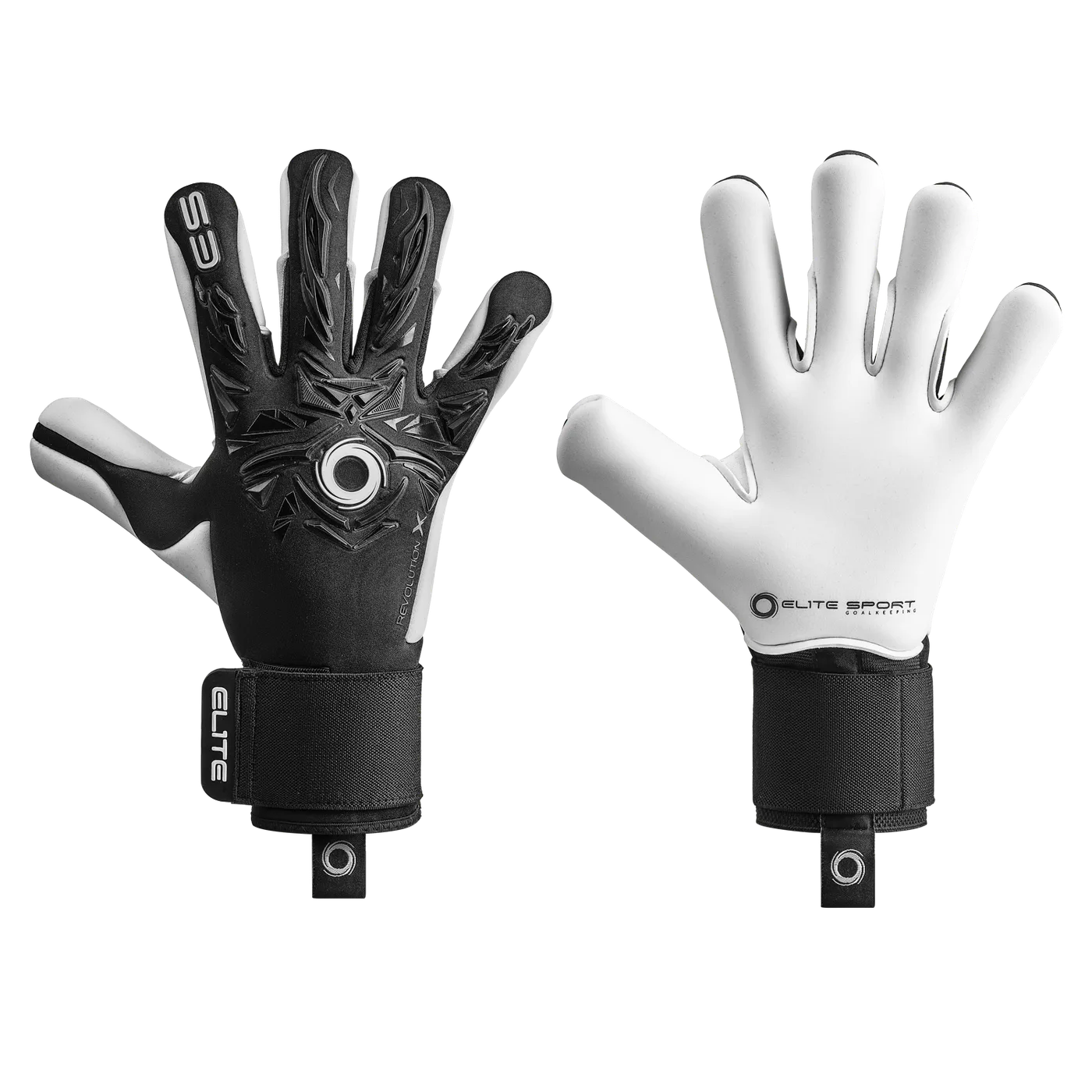
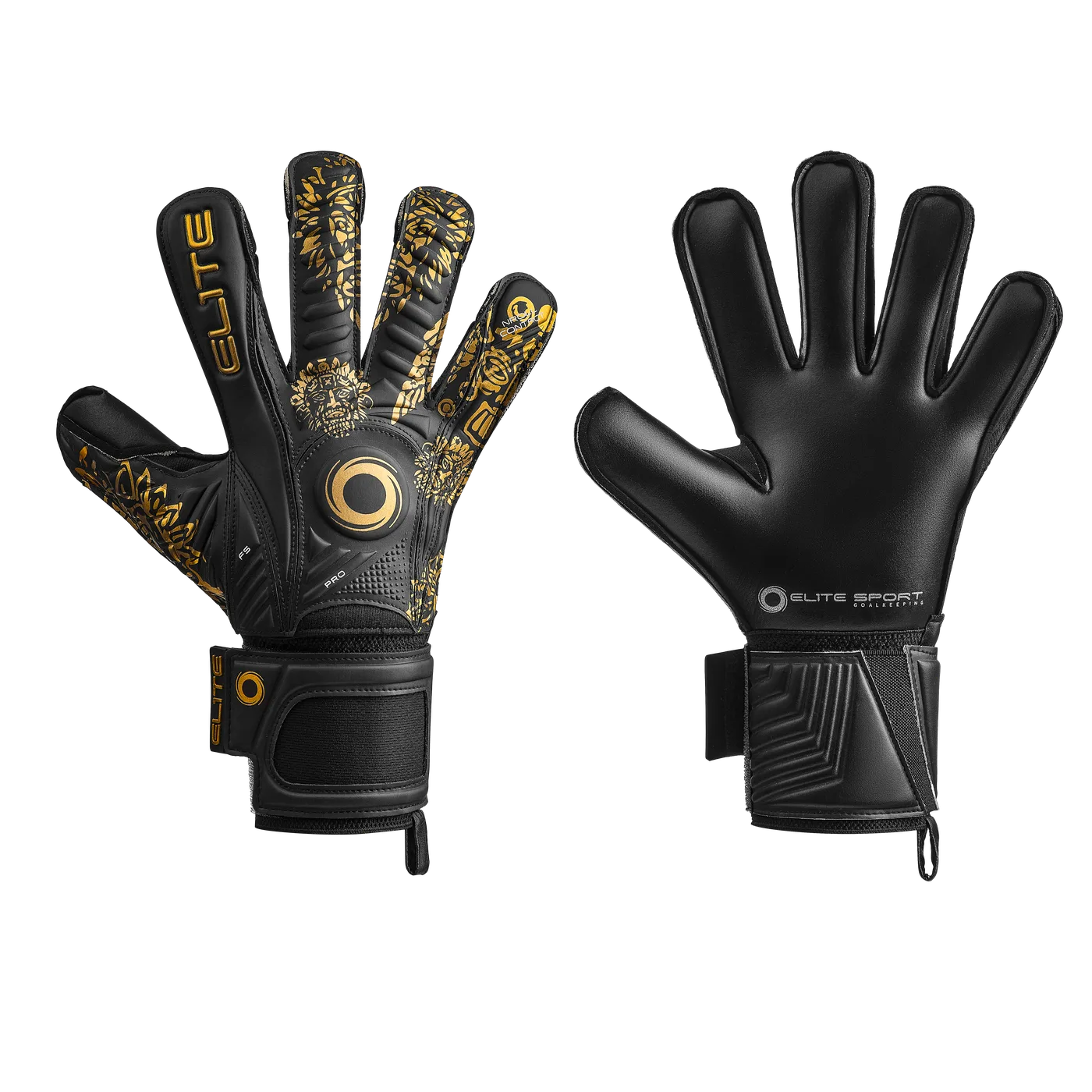
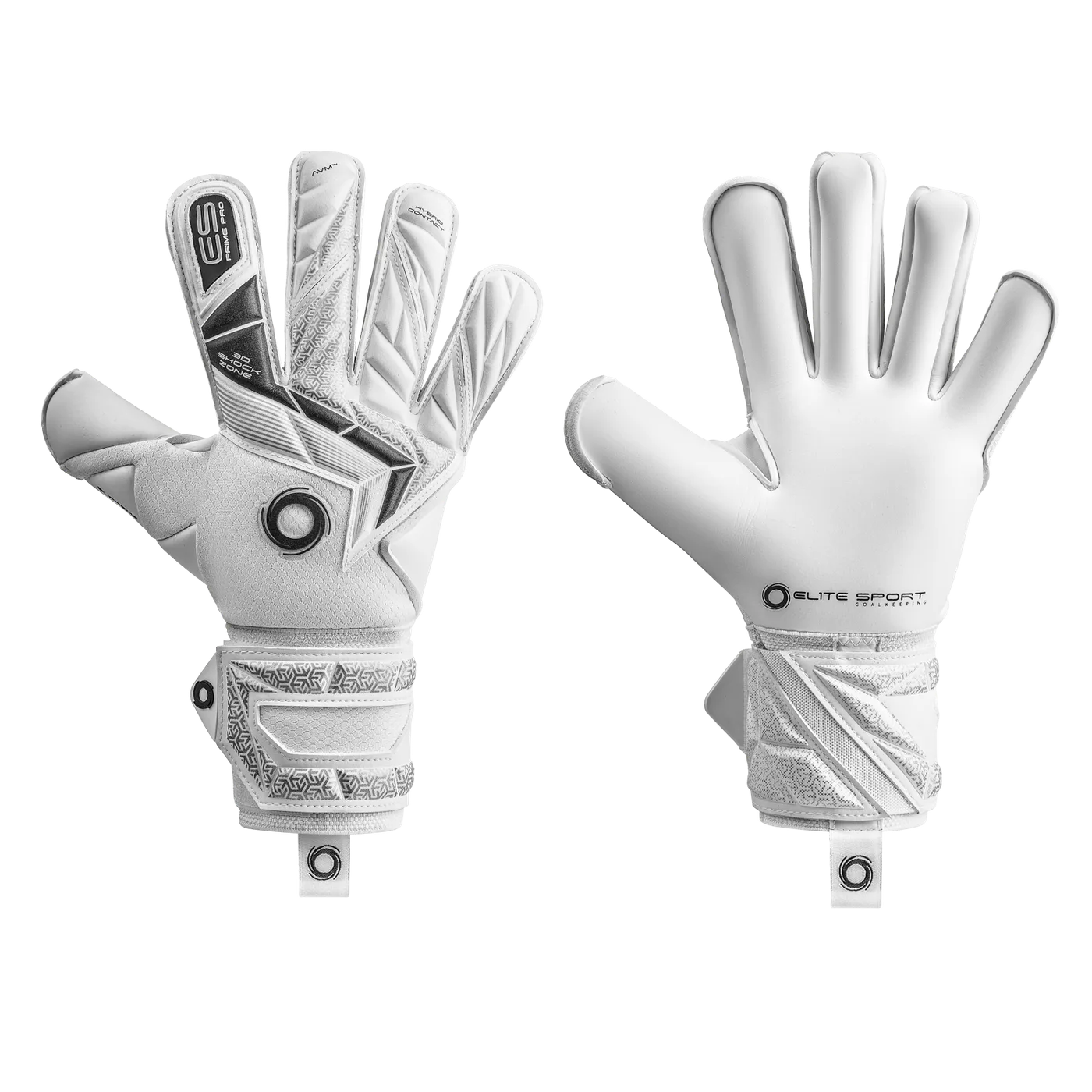
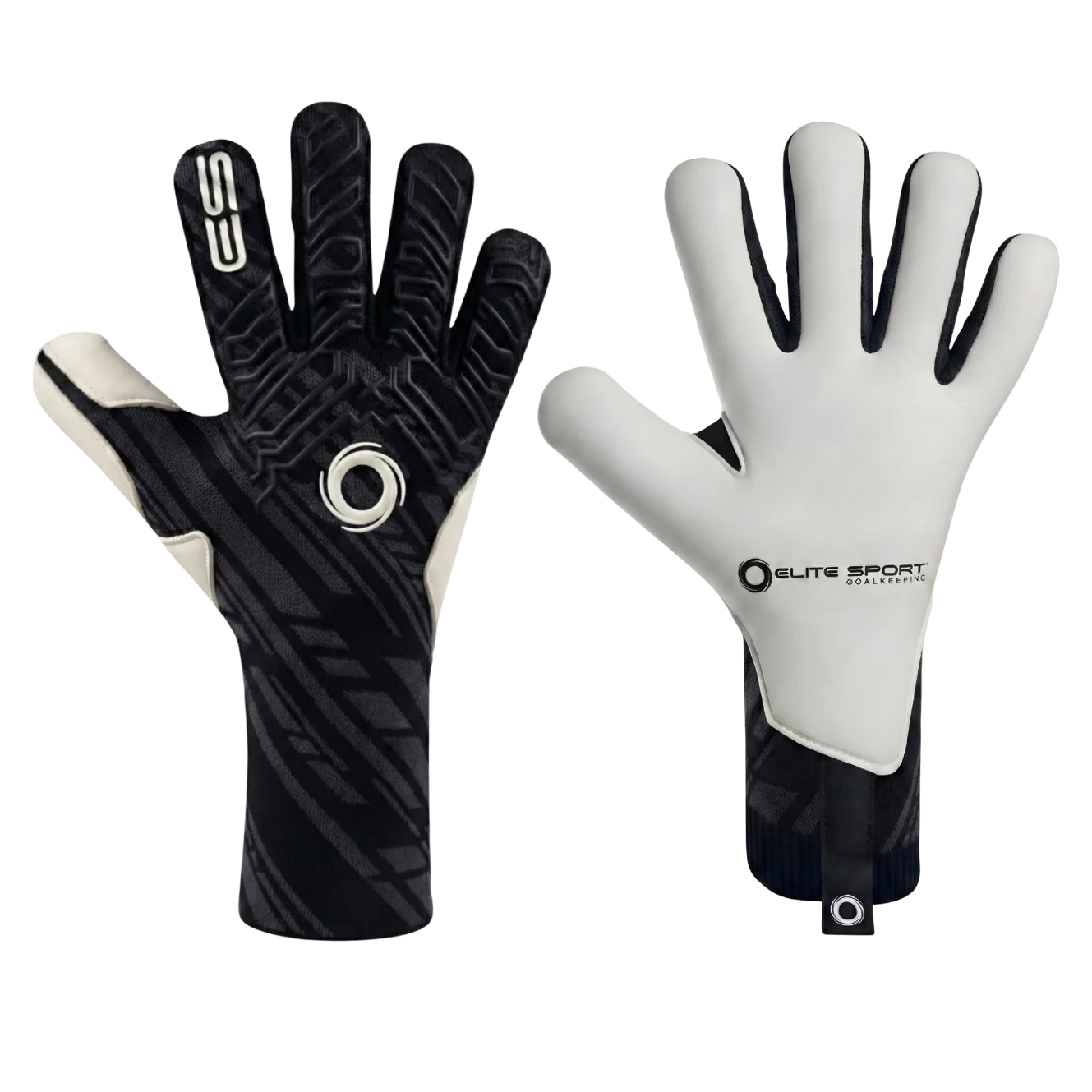
REDEFINE YOUR GAME. For intense reflex sessions, we recommend a robust training glove like Force Pro Camaleon. When match day arrives, use your competition pair like T1 Prime Pro.
- Goalkeeper coming out
- Goalkeeper positioning
- Goalkeeper gym workout
Find the glove that fits your level, surface, and style.